

Phottix
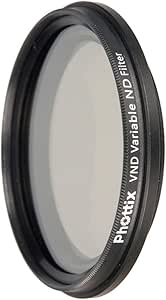
Phottix VND Variable ND Filters 58mm - Lens Light Control
Capture Stunning Photos with Precision Light ControlIntroducing the Phottix VND Variable ND Filter 58mm, the perfect tool for photographers seeking seamless control over light exposure. This filter allows for a 2-8 stop light reduction, providing smooth, continuous adjustments without the need fo...
Check availability
Affiliate Disclosure: As an Amazon Associate, Studio Supplies earns from qualifying purchases made through links on this page, at no additional cost to you. This helps support our editorial team.
Notice a mistake? Let Us Know
Overview
Capture Stunning Photos with Precision Light Control
Introducing the Phottix VND Variable ND Filter 58mm, the perfect tool for photographers seeking seamless control over light exposure. This filter allows for a 2-8 stop light reduction, providing smooth, continuous adjustments without the need for multiple static ND filters.
- Light Reduction: Adjustable 2-8 stop range.
- Lens Compatibility: Fits 58mm lenses.
- Material: Crafted with premium German glass.
- Vignetting: Optimized to minimize vignetting.
- Focusing: Simplifies focusing by allowing adjustment of ND level.
Key Features
Variable 2-8 stops of variable density, 58mm filter size
Reduces brightness without affecting color or depth of field
Helps to optimize your shutter speed-keeping it double your FPS rate
Decrease depth of field by allowing large apertures to be used while keeping shutter speeds lower
Made of German optical glass
Specifications
Brand
Phottix
Filter Type
Variable ND
Filter Size
58mm
Density Range
2-8 stops
Material
German optical glass
Frequently Asked Questions
What is the main purpose of the Phottix VND Variable ND filter?
The main purpose of the Phottix VND Variable ND filter is to reduce the amount of light entering your camera lens, allowing for greater control over exposure in bright conditions without affecting color.
What range of light reduction does this filter offer?
This filter provides a variable density range from 2 to 8 stops, giving photographers flexibility to adjust light reduction as needed for various shooting situations.
Can this filter help with video shooting?
Yes, the Phottix VND filter helps optimize your shutter speed, which is crucial for maintaining a consistent "double your FPS rate" in video recording, ensuring smooth motion.
Will this filter affect the colors in my photos?
No, this filter is specifically designed to reduce brightness without affecting the color or depth of field in your images, preserving natural hues.
What material is the Phottix VND filter made from?
The Phottix VND Variable ND filter is made from high-quality German optical glass, ensuring excellent clarity and durability for demanding photographic use.
Related Products


