



Pioneer DJ
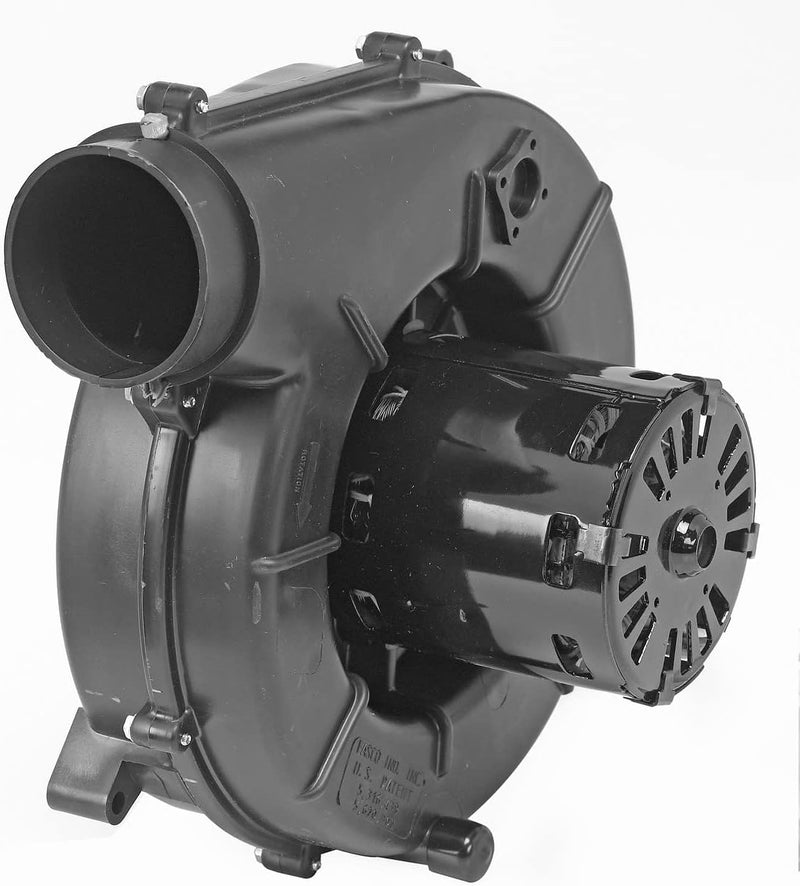
Pioneer DJ A197 Furnace Draft Inducer Replacement Motor
Drop-in Trane furnace draft inducer replacement with variable-speed 3-phase operation and ball bearing construction built for long-term exhaust reliability.
View price on Amazon
Affiliate Disclosure: As an Amazon Associate, Studio Supplies earns from qualifying purchases made through links on this page, at no additional cost to you. This helps support our editorial team.
Notice a mistake? Let Us Know
Overview
Ensure Optimal Furnace Performance with the A197 Draft Inducer
The A197 Trane Furnace Draft Inducer is a reliable replacement motor designed to ensure proper exhaust ventilation in your furnace system. Built for efficiency and durability, this motor helps maintain safe and consistent operation.
- Brand: Pioneer DJ
- Model: A197 - Trane Furnace Draft Inducer
- Voltage: 33-110 Volt
- Speed: 1500-4700 RPM
- Amperage: 1.0 amp
- Rotation: CW Rotation
- Phase: Variable speed 3 phase
- Bearing: Ball bearing
Key Features
This is a Brand New Upgraded Furnace Inducer Motor
The Inducer Motor expels the exhaust from the furnace.
Frequently Asked Questions
Which Trane furnace models is this inducer motor compatible with?
This motor is listed as a replacement for Trane furnace draft inducer applications under model A197. Confirm compatibility by matching the voltage range (33–110V), RPM range (1500–4700), amperage (1.0A), and rotation (CW) against your existing motor's nameplate data before ordering.
What does the variable-speed 3-phase operation mean for furnace performance?
Variable speed allows the motor to modulate its RPM between 1500 and 4700 to match the furnace's actual exhaust demand — rather than running at fixed speed. This can improve exhaust efficiency across different firing stages and extend motor life by reducing unnecessary full-speed operation.
Is this a direct drop-in replacement or does it require electrical modifications?
The wide voltage range (33–110V) provides significant installation flexibility, but you should verify the connector type, mounting bracket configuration, and rotation direction (CW) match your existing assembly before assuming a drop-in installation.
Why does the rotation direction matter, and how do I verify my furnace's requirement?
A draft inducer motor installed with reversed rotation will push exhaust in the wrong direction, preventing proper flue venting and triggering pressure switch faults. Verify CW rotation against your furnace's service manual or existing motor nameplate — viewing the motor shaft from the front.
What is the advantage of ball bearing construction over sleeve bearings in a draft inducer application?
Ball bearings handle the continuous-duty, variable-load cycling of draft inducer operation more reliably than sleeve bearings — they run cooler, tolerate axial load better, and have a significantly longer service life in the hot, vibration-prone environment inside a furnace cabinet.
Related Products


