

Polaroid
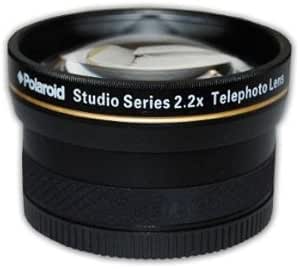
Polaroid PL2252T 2.2X HD Telephoto Lens 52mm
Extend Your Reach with the Polaroid 2.2X HD Telephoto Lens Expand your photography capabilities without breaking the bank with the Polaroid 2.2X HD Telephoto Lens. This high-definition conversion lens easily attaches to your existing 52mm lens, effectively doubling your focal length for stunning ...
$6.03*
View on Amazon
✓ In Stock on Amazon.com
*Price sourced from Amazon.com. Last updated:Aug 30, 2026.Price and availability are subject to change — details.
Affiliate Disclosure: As an Amazon Associate, Studio Supplies earns from qualifying purchases made through links on this page, at no additional cost to you. This helps support our editorial team.
Notice a mistake? Let Us Know
Overview
Extend Your Reach with the Polaroid 2.2X HD Telephoto Lens
Expand your photography capabilities without breaking the bank with the Polaroid 2.2X HD Telephoto Lens. This high-definition conversion lens easily attaches to your existing 52mm lens, effectively doubling your focal length for stunning telephoto shots. Achieve professional-quality results with precision-engineered optics.
Specifications:
- Magnification: 2.2X
- Lens Mount: 52mm
- Compatibility: Cameras, Camcorders, HD-Video capable DSLRs
- Optics: Precision Engineered, Multi-Coated
- Series: Studio Series
- Type: Telephoto Lens
Specifications
Brand
Polaroid
Model
PL2252T
Lens Type
Telephoto Lens
Magnification
2.2X
Thread Size
52mm
Optical Quality
HD
Frequently Asked Questions
What is the magnification factor of this Polaroid telephoto lens?
This Polaroid PL2252T lens provides a 2.2X telephoto magnification, extending the reach of your camera's existing lens.
What size lens thread is required for this telephoto converter?
This telephoto lens is designed for camera lenses with a 52mm front filter thread.
Does this lens offer high-definition quality?
Yes, it is described as an HD Telephoto Lens, indicating it aims to provide clear and sharp images.
Can this telephoto lens be used with any camera?
This lens attaches to the front of an existing camera lens, so compatibility depends on your primary lens having a 52mm filter thread.
Is this telephoto lens suitable for professional photography?
While it offers 2.2X magnification and HD quality, its suitability for professional use would depend on the specific demands of the photographic task and the primary lens it's paired with.
Related Products


