

Polaroid
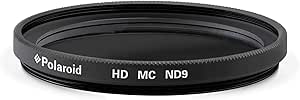
Polaroid PLFILND949 49mm Neutral Density ND 0.9 Filter
Achieve Perfect Exposure with ConfidenceIntroducing the Polaroid Optics 49mm Neutral Density Filter [ND 0.9], a must-have accessory for photographers seeking ultimate control over their images. Compatible with all popular camera lens models, this filter ensures perfect exposure and remarkable res...
View price on Amazon
Affiliate Disclosure: As an Amazon Associate, Studio Supplies earns from qualifying purchases made through links on this page, at no additional cost to you. This helps support our editorial team.
Notice a mistake? Let Us Know
Overview
Achieve Perfect Exposure with Confidence
Introducing the Polaroid Optics 49mm Neutral Density Filter [ND 0.9], a must-have accessory for photographers seeking ultimate control over their images. Compatible with all popular camera lens models, this filter ensures perfect exposure and remarkable results, regardless of lighting conditions.
- Filter Type: Neutral Density (ND 0.9)
- Diameter: 49mm
- Compatibility: Compatible with all popular camera lens models
- Density: 3-Stop
- Features: Consistent color quality, excellent saturation
Specifications
Brand
Polaroid
Model
PLFILND949
Filter Type
Neutral Density (ND)
ND Rating
ND 0.9
Light Reduction
3 Stops
Filter Diameter
49mm
Frequently Asked Questions
What does the ND 0.9 rating mean for this Polaroid filter?
The ND 0.9 rating on this Polaroid filter signifies that it reduces the amount of light entering your camera by 3 stops, allowing for longer exposures or wider apertures.
What is the diameter of this neutral density filter?
This Polaroid filter has a 49mm diameter, making it compatible with camera lenses that have a 49mm filter thread.
Can this filter be used to achieve motion blur effects?
Yes, by reducing the amount of light, this ND 0.9 filter enables you to use slower shutter speeds, which is ideal for creating motion blur in subjects like waterfalls or clouds.
Will this filter affect the colors in my photos?
As a neutral density filter, the Polaroid PLFILND949 ND 0.9 is designed to reduce light uniformly across the spectrum without introducing a color cast, preserving natural colors.
Is this a variable ND filter?
No, this is a fixed ND 0.9 filter, meaning it provides a consistent 3-stop light reduction and is not variable in its intensity.
Related Products


