

Polaroid
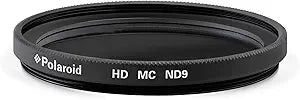
Polaroid PLFILND952 52mm Neutral Density Filter
Achieve Perfect Exposure with the Polaroid 52mm Neutral Density Filter The Polaroid Optics 52mm Neutral Density Filter [ND 0.9] is an essential tool for photographers seeking to control light and capture stunning images. Compatible with all popular camera lens models, this filter reduces light by...
$6.47*
View on Amazon
✓ In Stock on Amazon.com
*Price sourced from Amazon.com. Last updated:Aug 30, 2026.Price and availability are subject to change — details.
Affiliate Disclosure: As an Amazon Associate, Studio Supplies earns from qualifying purchases made through links on this page, at no additional cost to you. This helps support our editorial team.
Notice a mistake? Let Us Know
Overview
Achieve Perfect Exposure with the Polaroid 52mm Neutral Density Filter
The Polaroid Optics 52mm Neutral Density Filter [ND 0.9] is an essential tool for photographers seeking to control light and capture stunning images. Compatible with all popular camera lens models, this filter reduces light by 3 stops, allowing for wider apertures and slower shutter speeds in bright conditions. Perfect for landscapes, portraits, and achieving creative effects.
Specifications:
- Filter Type: Neutral Density (ND 0.9)
- Diameter: 52mm
- Compatibility: Compatible with All Popular Camera Lens Models
- Light Reduction: 3 Stops
Specifications
Filter Type
Neutral Density (ND) Filter
Filter Size
52mm
Brand
Polaroid
Model
PLFILND952
Frequently Asked Questions
What is the purpose of the Polaroid PLFILND952 Neutral Density Filter?
This filter is designed to reduce the amount of light that enters your camera lens, allowing for greater creative control over aperture and shutter speed in bright conditions without affecting color.
What is the diameter of this filter?
The Polaroid PLFILND952 filter has a diameter of 52mm, making it compatible with camera lenses that have a 52mm filter thread.
Does this filter change the color of the image?
No, as a neutral density filter, its primary function is to reduce light without introducing any color cast, ensuring color accuracy in your photographs.
Can this filter be used with any camera lens?
This filter is designed for lenses with a 52mm filter thread. For other lens sizes, an adapter ring would be necessary for compatibility.
Is the specific ND strength of this filter mentioned?
The provided information indicates it is a Neutral Density filter but does not specify the exact ND strength (e.g., ND2, ND4, ND8).
Related Products


