

Profoto
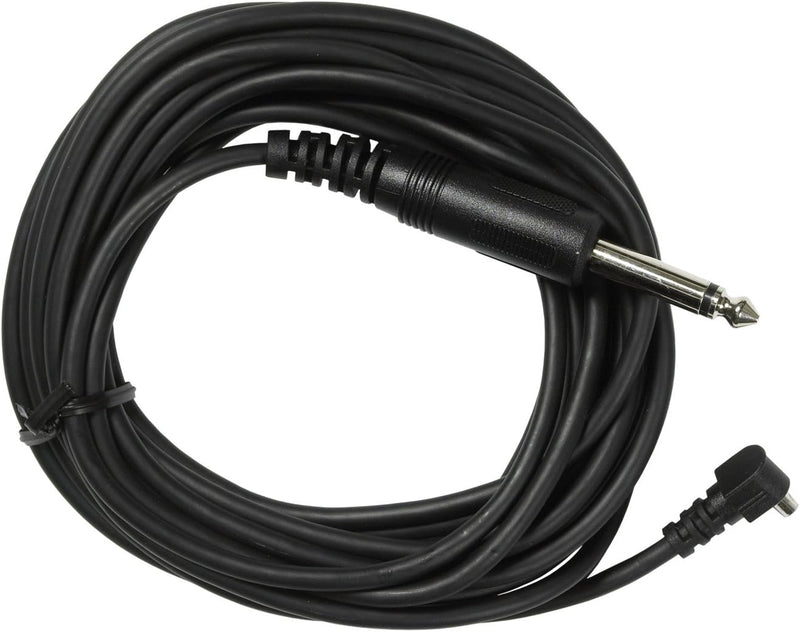
Profoto 103001 Sync Cable Black 5 Meter
Lock in perfect flash sync from 16 feet away — the Profoto 103001 keeps your strobe and camera talking without a missed frame.
$63.97*
Check availability
*Price sourced from Amazon.com. Last updated:Aug 27, 2026.Price and availability are subject to change — details.
Affiliate Disclosure: As an Amazon Associate, Studio Supplies earns from qualifying purchases made through links on this page, at no additional cost to you. This helps support our editorial team.
Notice a mistake? Let Us Know
Overview
Key Features
5 meter (16 feet) hard-wired connection between strobe and camera.
5 meter (16 feet) hard-wired connection between strobe and camera.
5 meter (16 feet) hard-wired connection between strobe and camera.
Specifications
Model
103001
Length
5 meters (16 feet)
Connection Type
Hard-wired PC sync
Color
Black
Brand
Profoto
Compatibility
Profoto strobes and cameras with PC sync port
Frequently Asked Questions
What connectors does the Profoto 103001 use at each end?
The cable uses a standard 3.5mm (1/8") mini-jack sync connector, compatible with most camera PC sync ports via adapter and standard Profoto strobe sync inputs. Check your camera body for the sync port type before ordering.
What camera and strobe connections does the Profoto 103001 use at each end?
The cable uses a standard PC sync connector on the camera end and a compatible connector for Profoto strobes. Before purchasing, confirm your camera body has a PC sync port — many modern DSLRs and mirrorless bodies omit it, requiring a hot shoe PC adapter.
At 5 meters, is this cable long enough for most studio setups?
For single-light studio work, 5 meters (16 feet) covers the majority of setups — a key light on a boom, a background light at distance, or a beauty dish positioned above the subject. For multi-light runs where the camera is at the far edge of the room, you may find yourself at the cable's limit.
Is 5 meters enough cable for a typical studio setup?
For most studio configurations — camera on a tripod 3–4 meters from a key light — 5 meters (about 16 feet) gives you comfortable slack without creating a trip hazard. For larger sets or when shooting from a raised position, you may want a longer run.
Can this cable replace a wireless trigger on location shoots?
It can, but with trade-offs. The wired connection eliminates any radio interference or sync delay, which is valuable in electrically noisy environments. On location, however, cable management becomes an active consideration — factor in foot traffic and subject movement before ditching the wireless trigger.
Does using this sync cable affect flash sync speed compared to wireless triggers?
A wired PC sync connection syncs reliably at your camera's maximum sync speed without the occasional misfires or HSS complications that wireless triggers can introduce. For controlled studio work where you're shooting at a fixed sync speed, this cable is more consistent than most entry-level wireless options.
Can this cable cause camera damage if connected incorrectly?
PC sync ports carry a very low-voltage signal, so connection risk is minimal. That said, confirm your strobe's sync voltage is compatible with your specific camera body — some older studio strobes have higher sync voltages that can damage sensitive modern electronics.
Does the cable introduce any sync delay compared to wireless triggers?
No. A hard-wired sync connection is essentially instantaneous — signal travels at the speed of electricity through copper, which is faster and more consistent than any radio trigger. This makes it ideal for high-speed sync testing or precise flash timing work.
Is this cable compatible with non-Profoto strobes?
The sync signal itself is a standard low-voltage pulse, so it will work with many non-Profoto units that accept a PC sync or 3.5mm sync input. That said, Profoto makes no official compatibility guarantees outside their own ecosystem — test before committing to it on a paid shoot.
Is this cable suitable for location shoots, or is it primarily a studio tool?
It works on location, but 5 meters of cable on set creates a real tripping hazard and restricts camera mobility significantly. Most photographers use this cable for controlled studio work and switch to wireless triggers when shooting outdoors or in environments where movement is unpredictable.
Related Products

