

Rode
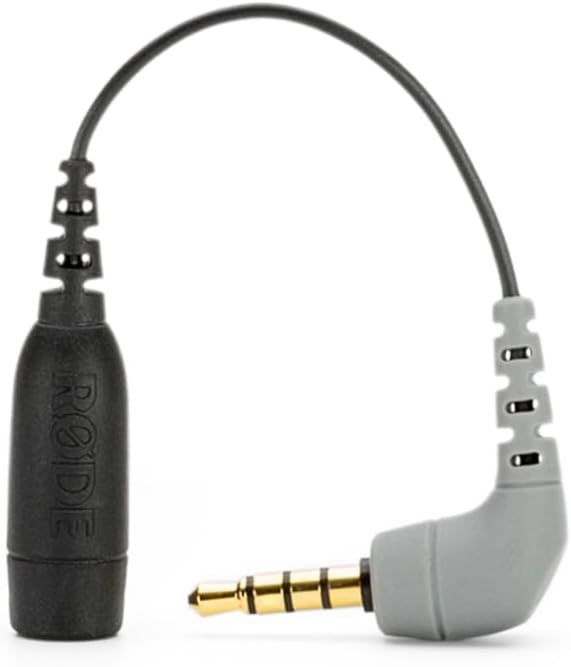
Rode SC4 Microphone Adapter Cable TRS to TRRS
USB-C
Rode's SC4 adapter converts your 3.5mm TRS microphone output to TRRS for direct smartphone recording.
View price on Amazon
Affiliate Disclosure: As an Amazon Associate, Studio Supplies earns from qualifying purchases made through links on this page, at no additional cost to you. This helps support our editorial team.
Notice a mistake? Let Us Know
Overview
Key Features
The SC4 is a high-quality shielded 3.5mm TRS to TRRS adaptor, designed to allow microphones with a 3.5mm TRS output to connect to devices with a TRRS input, such as smartphones and tablets. It features gold-plated contacts for superior audio reproduction.
BROAD COMPATIBILITY: Specifically designed for seamless use with Windows PCs (10/11), macOS (10.10+), and iPad Pro models featuring a USB-C port.
CHECK YOUR SETUP: Please verify that your device has a standard USB-C port before purchasing. This model provides a direct plug-and-play connection without the need for additional drivers.
All RØDE cables and adapters are manufactured to the highest tolerances, and feature rugged connectors and strain relief sleeves for years of reliable use
RØDE is a premium manufacturer of audio solutions to the creative industries
Our products are designed and manufactured in our high-technology facility in Sydney, Australia
Specifications
Brand
Rode
Model
SC4
Connector Type
3.5mm TRS (Female) to 3.5mm TRRS (Male)
Cable Type
AUX, Shielded
Connector Gender
Male-to-Female
Compatible Devices
Smartphones, Tablets (with 3.5mm TRRS jack)
Color
Black
Frequently Asked Questions
What does the SC4 adapter actually do?
It converts a standard 3.5mm TRS (three-conductor) microphone output to a TRRS (four-conductor) connection, allowing microphones designed for cameras to work with smartphones and tablets that use a combined headphone/microphone jack.
Will this adapter work with any microphone, or only Rode models?
While Rode designed it for use with their VideoMic range, the SC4 works with any microphone that has a standard 3.5mm TRS output. It is a passive adapter that simply re-maps the wiring from TRS to TRRS.
Does the SC4 require batteries or external power?
No. The SC4 is a passive shielded adapter cable with no active electronics, so it requires no batteries or power source.
Which end is male and which is female?
The SC4 has a male TRRS connector that plugs into your smartphone or tablet, and a female TRS connector that accepts your microphone's 3.5mm output cable.
Will this work with phones that have removed the headphone jack?
No. The SC4 connects via a 3.5mm TRRS jack. For phones without a headphone jack, you would need an additional Lightning or USB-C to 3.5mm adapter from your phone manufacturer.
Related Products


