Samson

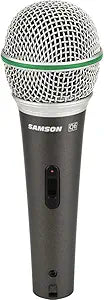
Samson SCQ6 Dynamic Vocal Microphone

3.8 (29 reviews)

A supercardioid dynamic built for loud stages and tight isolation — the Samson SCQ6 keeps your vocal forward and the room out of the mix.

$49.99*
In Stock on Amazon.com
View on Amazon

*Price sourced from Amazon.com. Last updated:Jul 14, 2026.Price and availability are subject to change.

Affiliate Disclosure: Studio Supplies may earn a commission from qualifying purchases made through links on this page, at no additional cost to you. This helps support our editorial team.

Notice a mistake? Let Us Know

Overview

The Samson SCQ6 is built for the demands of live vocal performance — environments where isolation, durability, and a strong output signal matter more than the clinical detail of a large-diaphragm condenser. The supercardioid pickup pattern is the defining characteristic: it narrows the acceptance window compared to a standard cardioid, pulling the vocal forward in the mix while rejecting stage wash, nearby instruments, and monitor bleed with real effectiveness. Paired with a neodymium dynamic element, the SCQ6 produces output levels that take the pressure off the preamp gain stage, keeping the channel's noise floor in check even on modest-spec console inputs.

Physically, the SCQ6 is built to handle the realities of stage use. The multi-axis shock mounting isolates the capsule from the kind of grip noise and stand vibration that dynamic microphones without internal suspension transmit directly to the signal — a detail that matters in live recording and broadcast situations where cleanup in post isn't an option. The low-impedance design is a practical advantage for engineers running longer snake runs, maintaining signal integrity from stage box to FOH without the high-frequency softening that plagues high-impedance sources over distance. For vocalists and sound professionals who need a dependable, isolating dynamic at a realistic price point, the SCQ6 delivers where it counts.

Key Features

High gain, low impedance design.

Dynamic Neodymium mic element.

Super Cardioid pickup pattern.

Multi-axis shock mounted element.

Specifications

Microphone Type
Dynamic
Capsule Element
Neodymium
Pickup Pattern
Super Cardioid
Impedance
Low impedance
Mounting
Multi-axis shock mounted element
Connector
XLR
Phantom Power Required
No

Pros & Cons

👍 Pros

  • The supercardioid pattern provides tight off-axis rejection that keeps bleed from adjacent sources and stage noise out of the vocal channel — audibly cleaner in dense live mixes.
  • The neodymium dynamic element delivers higher sensitivity than typical ferrite-based dynamic capsules, producing a stronger output signal that reduces the gain demand on preamps and lowers the noise floor contribution from the channel strip.
  • Multi-axis shock mounting noticeably reduces handling and stand-transmitted noise, which translates to fewer low-frequency thumps and rumbles in live recordings and broadcasts.
  • Low-impedance output maintains signal integrity across long cable runs without high-frequency roll-off — consistent performance from the stage to the FOH rack.

👎 Cons

  • The supercardioid pattern requires more precise mic technique than a wider cardioid — singers who drift off-axis will hear a pronounced drop in level and presence at the mix position.
  • Like all dynamic microphones, the SCQ6's transient response and high-frequency air are limited compared to condenser capsules, which may not suit applications demanding studio-grade detail and articulation.
  • No built-in pad or high-pass filter switch means gain staging adjustments must be made entirely at the preamp or console, offering less flexibility on a crowded channel strip.
  • The rear lobe inherent to supercardioid designs requires more deliberate monitor placement than a cardioid pattern, adding a setup consideration for live engineers unfamiliar with the pattern geometry.

Frequently Asked Questions

No — as a dynamic microphone, the SCQ6 is entirely passive and requires no phantom power. It will work with any standard XLR input, including interfaces and mixers that lack 48V, making it safe to plug in without concern for phantom power compatibility.
The supercardioid pattern is tighter at the sides than a standard cardioid but has a rear lobe of sensitivity — stage monitors should be positioned at the sides (around 90–120 degrees off-axis) rather than directly behind the mic to maximize rejection.
The shock mount isolates the capsule from mechanical vibration transmitted through the mic body — handling noise from gripping, stand vibration, and cable movement is attenuated before it reaches the signal chain, keeping the output cleaner during energetic performances.
The SCQ6 uses a low-impedance design, which means it drives long cable runs with minimal high-frequency loss and pairs cleanly with the mic preamps found on standard live and studio interfaces — you won't need a dedicated impedance-matching transformer.
Yes — the high-gain neodymium element and supercardioid rejection make it functional for recording environments where bleed from adjacent sources is a concern, though condenser microphones will generally offer greater detail for critical studio tracking.