



Shure
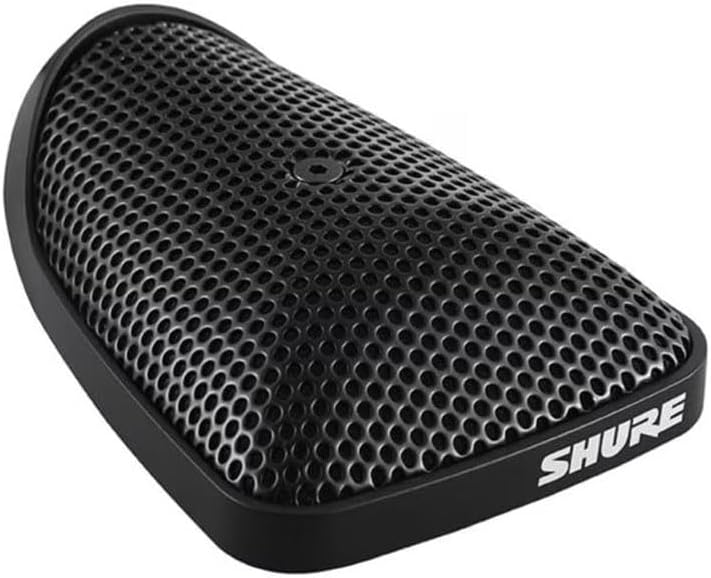
Shure CVB-B/C Boundary Condenser Microphone Cardioid - Black
CondenserXLR
Discreet boundary microphone with CommShield RF rejection for boardrooms, podiums, and houses of worship.
$125.00*
Check availability
*Price sourced from Amazon.com. Last updated:Aug 28, 2026.Price and availability are subject to change — details.
Affiliate Disclosure: As an Amazon Associate, Studio Supplies earns from qualifying purchases made through links on this page, at no additional cost to you. This helps support our editorial team.
Notice a mistake? Let Us Know
Overview
Key Features
Available in cardioid or omnidirectional polar patterns
CommShield Technology that guards against unwanted RF interference from portable wireless devices (smartphones, etc.) and high resistance to intense nearby radio signals
Available in black with attached 12’ XLR cable
Frequency response ideal for capturing fast transients in a wide variety of locations, including podiums and desktops
Superior Shure design and rugged, dependable construction
Specifications
Brand
Shure
Model
CVB-B/C
Microphone Type
Boundary Condenser
Polar Pattern
Cardioid
Cable Length
12 Feet
Connector Type
XLR
Connectivity
Wired
Color
Black
Special Features
CommShield Technology (RF Interference Rejection)
Recommended Use
Podiums, Desktops, Video Conferencing
Frequently Asked Questions
What polar pattern does the Shure CVB-B/C use?
The CVB-B/C uses a cardioid polar pattern, which picks up sound primarily from in front of the microphone while rejecting noise from the sides and rear.
How long is the attached cable on the CVB-B/C?
It comes with a permanently attached 12-foot XLR cable, so no additional cabling is needed for most desktop or podium setups.
What is CommShield Technology?
CommShield is Shure's proprietary RF interference rejection technology built into the CVB-B/C. It prevents buzzing and noise caused by nearby smartphones, wireless devices, and strong radio signals.
Does the CVB-B/C require phantom power?
Yes, as a condenser microphone, the CVB-B/C requires standard 48V phantom power supplied by your mixer, audio interface, or preamp.
What types of surfaces work best for boundary microphone placement?
The CVB-B/C performs best on flat, hard surfaces such as conference tables, podiums, and desktops, where the boundary effect reinforces the pickup pattern.
Related Products


