

Shure
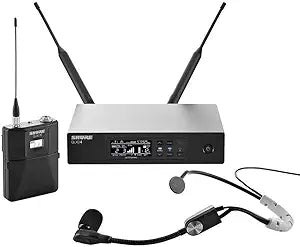
Shure QLXD14/SM35-X52 Wireless Headworn Microphone System
Professional wireless headworn microphone system featuring Shure's SM35 headset and QLXD digital wireless for reliable, high-fidelity performance audio.
View price on Amazon
Affiliate Disclosure: As an Amazon Associate, Studio Supplies earns from qualifying purchases made through links on this page, at no additional cost to you. This helps support our editorial team.
Notice a mistake? Let Us Know
Overview
Exceptional Wireless Audio for Performers
The Shure QLXD Series QLXD14/SM35 Wireless Headworn Microphone System combines professional sound quality with streamlined setup and reliable performance. The SM35 headset provides a secure and comfortable fit, ideal for active presenters and performers.
- System Type: Wireless Headworn Microphone System
- Microphone: SM35 Headworn Microphone
- Polar Pattern: Cardioid
- Series: QLXD Series
Frequently Asked Questions
What frequency band does the X52 designation refer to?
The X52 designation indicates this system operates in the 902–928 MHz frequency range, which is license-free in the United States. Verify local regulations if using outside the US.
What components are included in the QLXD14/SM35 system?
The system includes the QLXD4 single-channel digital wireless receiver, the QLXD1 bodypack transmitter, and the SM35 headworn cardioid microphone.
How does the SM35 headset stay secure during active movement?
The SM35 features an adjustable headband design with a flexible boom arm that positions the microphone element near the corner of the mouth, maintaining a consistent pickup distance even during vigorous movement on stage or while presenting.
What is the typical wireless operating range of the QLXD system?
The QLXD series provides a typical operating range of up to 100 meters (330 feet) line-of-sight, though actual range varies depending on the RF environment, obstructions, and interference.
Does the QLXD system offer features for managing multiple wireless channels?
Yes, the QLXD receiver includes automatic frequency selection and networked scanning tools that help coordinate multiple wireless systems in the same venue to avoid interference.
Related Products


