



Sigma
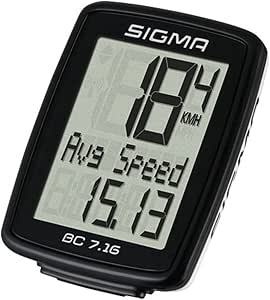
Sigma 2016 BC 7.16 ATS Wireless Bike Computer
A 7-function wireless bike computer with automatic start/stop that keeps your ride data visible without the cable clutter.
$34.99*
View on Amazon
✓ In Stock on Amazon.com
*Price sourced from Amazon.com. Last updated:Aug 31, 2026.Price and availability are subject to change — details.
Affiliate Disclosure: As an Amazon Associate, Studio Supplies earns from qualifying purchases made through links on this page, at no additional cost to you. This helps support our editorial team.
Notice a mistake? Let Us Know
Overview
Key Features
7 function analog wireless bicycle computer
Large, easy to read display
Automatic start/stop
Ride time up to 100 hours
Durable weatherproof construction
Specifications
Functions
7 (speed, max speed, avg speed, trip distance, odometer, ride time, clock)
Wireless Technology
ATS (Analog Transmission System)
Start/Stop
Automatic
Ride Time Capacity
Up to 100 hours
Construction
Weatherproof
Display
Large, single-line
Design
Three-piece (head unit, sensor, spoke magnet)
Frequently Asked Questions
What functions does the BC 7.16 actually track?
It covers seven metrics: current speed, maximum speed, average speed, trip distance, total distance (odometer), ride time, and a clock. It's focused on the essentials without overwhelming the display.
How does the automatic start/stop feature work?
The computer detects wheel rotation via the wireless sensor. When you stop pedaling and the wheel stops turning, it pauses the timer automatically. When you start moving again, it resumes — no button presses needed.
Is installation complicated without cables to route?
It's straightforward. You mount the computer head on the handlebar, attach the wireless sensor to the fork, and place the magnet on a spoke. There are no cables to zip-tie along the frame, so the whole setup takes just a few minutes.
Will this hold up in rain and wet conditions?
The BC 7.16 features weatherproof construction designed for riding in rain. It's not meant for submersion, but normal wet-weather riding won't cause issues.
How long does the battery last?
Sigma rates ride time logging up to 100 hours on the computer head's battery. Actual lifespan depends on usage patterns, but casual to moderate riders can expect many months between battery changes.
Related Products


