

Sigma
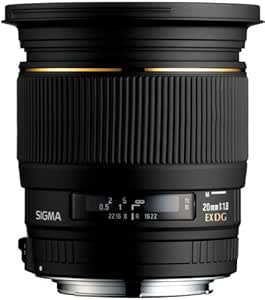
Sigma 411101 20mm f/1.8 Wide Angle Lens (Canon)
Capture Expansive Landscapes with the Sigma 20mm f/1.8 EX DG LensThe Sigma 20mm f/1.8 EX DG RF Aspherical Wide Angle Lens is designed for Canon digital SLR cameras, offering a broad field of view and exceptional image quality. Ideal for landscape, architecture, and astrophotography, this lens del...
$629.00*
View on Amazon
✓ In Stock on Amazon.com
*Price sourced from Amazon.com. Last updated:Aug 29, 2026.Price and availability are subject to change — details.
Affiliate Disclosure: As an Amazon Associate, Studio Supplies earns from qualifying purchases made through links on this page, at no additional cost to you. This helps support our editorial team.
Notice a mistake? Let Us Know
Overview
Capture Expansive Landscapes with the Sigma 20mm f/1.8 EX DG Lens
The Sigma 20mm f/1.8 EX DG RF Aspherical Wide Angle Lens is designed for Canon digital SLR cameras, offering a broad field of view and exceptional image quality. Ideal for landscape, architecture, and astrophotography, this lens delivers sharp, detailed images with minimal distortion.
- Mount: Canon Digital SLR
- Focus System: Clutch-like system for AF/MF switching
- Focus Ring: Wide manual focus ring
Specifications
Brand
Sigma
Model
411101
Focal Length
20mm
Maximum Aperture
f/1.8
Lens Type
Wide Angle Prime
Mount Compatibility
Canon
Frequently Asked Questions
What is the focal length of the Sigma 411101 lens?
The Sigma 411101 lens has a fixed focal length of 20mm, making it a wide-angle prime lens.
What is the maximum aperture of this Sigma lens?
This Sigma 20mm lens features a wide maximum aperture of f/1.8.
Which camera mount is this lens designed for?
The Sigma 411101 lens is designed for Canon cameras.
Is this lens suitable for low-light photography?
With its wide f/1.8 aperture, this lens is well-suited for capturing images in low-light conditions.
Can this lens create a shallow depth of field?
The f/1.8 aperture allows for a shallow depth of field, which can help isolate subjects from their background.
Is the Sigma 411101 lens good for landscape photography?
Its 20mm wide-angle focal length makes it a suitable choice for capturing expansive landscapes.
Related Products


