



Sigma
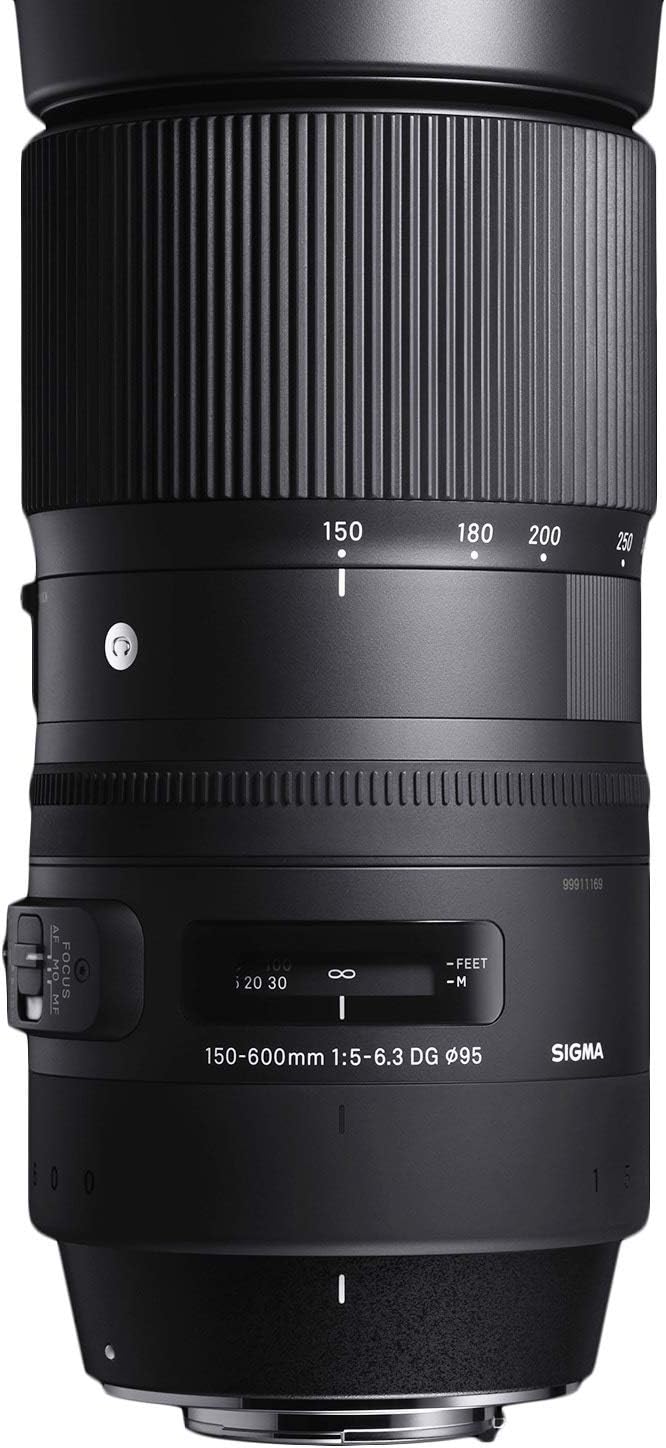
Sigma 745954 150-600mm Contemporary DG OS HSM Canon Lens
From shorebirds at 600mm to environmental wildlife at 150mm, the Sigma Contemporary covers the telephoto spectrum in a field-ready Canon EF package.
$1,463.41*
View on Amazon
✓ In Stock on Amazon.com
*Price sourced from Amazon.com. Last updated:Sep 05, 2026.Price and availability are subject to change — details.
Affiliate Disclosure: As an Amazon Associate, Studio Supplies earns from qualifying purchases made through links on this page, at no additional cost to you. This helps support our editorial team.
Notice a mistake? Let Us Know
Overview
Key Features
Lightweight and compact in construction for higher useability
Water and oil repellent coating on front glass element makes maintenance of the lens surface
Filter Size: 95mm
Minimum focusing distance : 280 cm/110.2 inches, focal length :150-600mm
Specifications
Focal Length
150-600mm
Minimum Focusing Distance
280 cm/110.2 inches
Filter Size
95mm
Special Coating
Water and oil repellent on front glass
Construction
Lightweight and compact
Frequently Asked Questions
What Canon camera bodies does this lens mount to?
This lens uses the Canon EF mount, so it's compatible with the full range of Canon EF-mount DSLRs — including crop-sensor bodies like the 7D series where the focal length equivalent extends to 240-960mm, and full-frame bodies like the 5D series and 6D.
How does the optical stabilisation perform during handheld wildlife shooting?
The OS system makes a meaningful difference at mid-range focal lengths — at 300mm you can manage handheld in good light with careful technique. At 500-600mm, a monopod is strongly recommended for consistently sharp results; OS reduces camera shake but cannot fully compensate at the longest focal lengths during active tracking.
What does the water and oil repellent coating on the front element actually do in the field?
The hydrophobic coating causes water beads to sheet off rather than sit on the glass surface, and the oleophobic layer makes fingerprints wipe away cleanly. During drizzly wildlife sessions, you spend less time cleaning glass and more time shooting — it's a small practical advantage that adds up over a full day outdoors.
What's the minimum focusing distance, and how does that affect subject framing at different focal lengths?
Minimum focus is 280cm (approximately 9.2 feet) across the zoom range. At 600mm, this means subjects smaller than a sparrow will fill the frame before you can focus — you're more likely to hit the limit at 150mm with larger subjects at very close range, which is an uncommon scenario in wildlife contexts.
Can I use standard 77mm filters with this lens?
No. The filter thread is 95mm, which is larger than most standard filter kits. You will need 95mm filters specifically, which are available but come at a premium compared to 77mm equivalents. This is worth budgeting for if circular polarisers or ND filters are part of your shooting kit.
Related Products


