SLR Magic

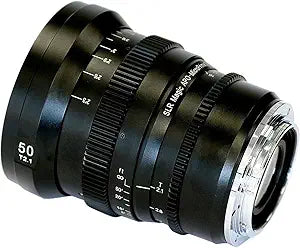
SLR Magic APO MicroPrime 50mm T2.1 Cine Lens

5.0 (1 reviews)

An apochromatic 50mm T2.1 cine prime in Canon EF mount, built in the MicroPrime line for filmmakers who want cine-style control without jumping to full PL-mount pricing

$649.00*
In Stock on Amazon.com
View on Amazon

*Price sourced from Amazon.com. Last updated:Jul 13, 2026.Price and availability are subject to change.

Affiliate Disclosure: Studio Supplies may earn a commission from qualifying purchases made through links on this page, at no additional cost to you. This helps support our editorial team.

Notice a mistake? Let Us Know

Overview

The SLR Magic MicroPrime APO 50mm T2.1 sits in a deliberately underserved part of the market: a cine-styled prime that takes on cinema-focused design conventions without climbing into the price tier of a full PL-mount master prime. It is a 50mm — the classical storytelling focal length on full frame, and a slightly tighter standard-to-short-tele on Super 35 — which makes it a natural anchor in a small prime set. The apochromatic designation signals a design pass aimed at keeping red, green, and blue focal planes close together, so highlight edges stay clean and out-of-focus rendering holds its shape instead of fringing.

It lands in Canon EF mount, which is still one of the most widely adapted cinema-camera mounts in service. For owners, this decision shapes the practical story around the lens. Follow focus units, matte boxes, and standard 15mm rod gear all slot in because the MicroPrime barrel is built to cine conventions rather than photo ones. T2.1 marking means exposure matches across a set of lenses calibrated the same way, which matters more on a shoot day than on a spec sheet. The question for a specific buyer is whether the 50mm role in their kit calls for a faster T-stop prime or whether the apochromatic correction and cine-grade ergonomics of this lens are the priorities — and whether they already own EF-mount bodies or adapters to make the mount a long-term fit.

Specifications

Brand
SLR Magic
Model
APO50EF APO MicroPrime Cine
Focal Length
50mm
Maximum Aperture
T2.1
Lens Type
Cine prime
Optical Design
Apochromatic
Mount
Canon EF
ASIN
B0868YC8K5

Pros & Cons

👍 Pros

  • Apochromatic optical design targets reduced chromatic aberration across color channels, which pays off in high-contrast and backlit scenes
  • T2.1 aperture is marked in cine T-stops rather than photo f-stops, giving consistent exposure when matching lenses in a set
  • Canon EF mount makes it compatible with a wide base of EF-native cinema cameras and mirrorless bodies through standard EF adapters
  • MicroPrime housing is designed for cine-style focus and iris rings, supporting follow-focus gearing without third-party replacement barrels

👎 Cons

  • T2.1 is respectable but not ultra-fast, so low-light narrative work may still call for a T1.4 or T1.5 prime in the same slot
  • As a manual-focus cine prime, it is unsuitable for run-and-gun documentary shooters who rely on autofocus
  • Canon EF mount ties the lens to an aging electromechanical standard, which may limit long-term compatibility as native RF and E mounts dominate
  • Source listing lacks detailed specs on image circle, minimum focus, and filter thread, so buyers should confirm key numbers before a kit purchase

Frequently Asked Questions

Canon EF. It is a native EF-mount cine prime, which also enables use on many mirrorless cinema bodies via standard EF-to-mount adapters.
It signals apochromatic optical correction, a design goal of reducing chromatic aberration across color channels so edges and highlights render more cleanly.
T2.1 is moderately fast but not the fastest option available. For low-light narrative work, faster cine primes at T1.4 or T1.5 remain a consideration.
It is designed as part of the MicroPrime Cine line, so barrel dimensions and cine-style gearing are intended to be consistent across the family.
It is a cine prime, which by design is a manual-focus lens with geared focus and iris rings intended for follow-focus operation, not autofocus.
The source listing does not specify the image circle. Buyers planning to mount it on a full-frame cinema body should verify coverage directly with SLR Magic before purchase.