



Sony
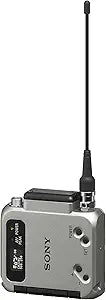
Sony DWT-B03R/14 DWX Wireless Microphone Bodypack Transmitter, UC14
20 Hz–22 kHz
Sony's most compact DWX transmitter delivers 106 dB dynamic range and AES 256-bit encryption in a magnesium body built for the demands of live production.
$1,799.99*$2,950.00Save 38%
View on Amazon
✓ In Stock on Amazon.com
*Price sourced from Amazon.com. Last updated:Aug 28, 2026.Price and availability are subject to change — details.
Affiliate Disclosure: As an Amazon Associate, Studio Supplies earns from qualifying purchases made through links on this page, at no additional cost to you. This helps support our editorial team.
Notice a mistake? Let Us Know
Overview
Key Features
Ultra-Compact and Lightweight Design: 27 percent smaller than the previous model (DWT-B01N), with a rugged yet lightweight magnesium body for discreet, durable performance on stage or set.
Studio-Quality Wireless Audio: Advanced Sony codec delivers exceptional sound with over 106 dB dynamic range and full 20 Hz–22 kHz frequency response for natural, detailed audio.
Weather-Resistant Construction: IPX4/IPX5-rated for protection against rain, sweat, and spray perfect for demanding outdoor and stage environments.
Secure Encrypted Transmission: Built-in AES 256-bit encryption keeps your audio transmission private and interference-free.
Long Battery Life: Up to 7 hours of operation using the high-capacity NP-BX1 rechargeable battery; compatible with optional BC-DWX1 Dual Charger.
Specifications
Type
Digital Wireless Bodypack Transmitter
Series
Sony DWX
Model Variant
UC14 (470–542 MHz)
Dynamic Range
Over 106 dB
Frequency Response
20 Hz – 22 kHz
Encryption
AES 256-bit
Weather Resistance
IPX4 / IPX5
Battery
Sony NP-BX1 rechargeable lithium-ion
Battery Life
Up to 7 hours
Body Material
Magnesium alloy
Size Reduction vs Previous Model
27% smaller than DWT-B01N
Frequently Asked Questions
What frequency range does the UC14 variant cover, and is it license-free in the US?
The UC14 version covers 470–542 MHz, which falls within the UHF TV band. In the US, this range requires coordination and, in many markets, an FCC Part 74 license for professional use. Always verify local spectrum availability before deployment — TV repack activity has shifted usable UHF windows in many metro markets.
How does the DWT-B03R's dynamic range compare to analog transmitters at this form factor?
The DWT-B03R delivers over 106 dB of dynamic range via Sony's proprietary digital codec, which exceeds what analog FM wireless systems can achieve in a comparable body size. In practice, that means quieter noise floor at high gain, more headroom for loud transients, and no compander artifacts — the audio sounds like a direct feed rather than a processed wireless signal.
What battery does this transmitter use, and how long does a charge last?
It runs on Sony's NP-BX1 lithium-ion rechargeable battery, rated for up to 7 hours of continuous operation. The NP-BX1 is a widely available battery also used in Sony cameras, making spares easy to source. For multi-day shoots or live events, the optional BC-DWX1 Dual Charger lets you cycle batteries without downtime.
Is this transmitter compatible with receiver systems outside the DWX series?
No — the DWT-B03R uses Sony's proprietary DWX digital protocol and is designed exclusively for use with compatible DWX series receivers (such as the DWR-R03D). It will not interface with other manufacturers' wireless systems or legacy Sony analog UWP/UHF series receivers.
How does the IPX4/IPX5 weather resistance hold up on a working set?
IPX4 covers splashing from any direction; IPX5 covers low-pressure water jets. For a bodypack transmitter worn under talent's clothing, this rating handles sweat, rain during exterior shoots, and incidental spray. It is not submersion-rated, so direct water exposure should still be avoided — but for ENG and live stage conditions, the rating is practical and meaningful.
Related Products


