



Spyder
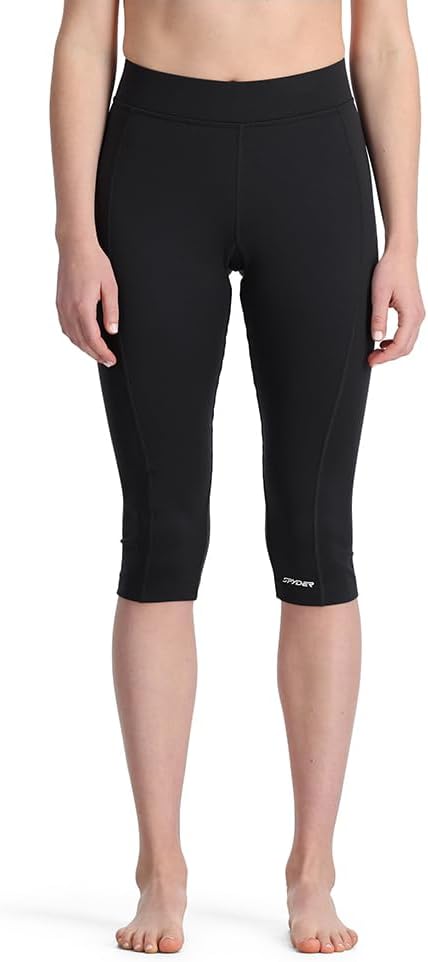
Spyder 38B415302 Women's Thermal 3/4 Baselayer Bottoms
Spyder's Charger 3/4 baselayer bottoms deliver flatlock-seamed, moisture-wicking warmth that layers invisibly under ski pants for full-day comfort on the mountain.
View price on Amazon
Affiliate Disclosure: As an Amazon Associate, Studio Supplies earns from qualifying purchases made through links on this page, at no additional cost to you. This helps support our editorial team.
Notice a mistake? Let Us Know
Overview
Stay Warm and Comfortable on the Slopes
The Spyder Women's Charger Baselayer Bottoms are designed to provide exceptional comfort and flexibility for cold weather activities. These 3/4 length pants are perfect for wearing under ski or winter pants, ensuring a hassle-free experience.
Key Features:
- Stylish and lightweight design.
- Excellent moisture-wicking properties.
- Comfortable fit under ski or winter pants.
Specifications:
- Material: 100% Polyester
- Fabric Type: 100% Polyester
- Length: 3/4 Length
- Care Instructions: Machine Wash
- Closure Type: Zipper
- Department: Womens
Key Features
Spyder has covered all-year long with cross-functional styles and quality products that perform in all conditions
Engineered for outdoor adventures
Charger 3/4 Boot Top Fit Baselayer Thermal Underwear Ski Bottoms
Elasticized interior waistband construction
Flatlock Seaming for Comfort During Movement
Frequently Asked Questions
Do these run true to size, or should I size up for layering?
They run true to size for most builds. The elasticized waistband and 100% polyester stretch fabric accommodate layering without bunching, so stick with your usual size unless you prefer a looser thermal layer.
How do these hold up after repeated machine washes?
The polyester construction resists shrinkage better than cotton blends, but washing in cold water on a gentle cycle and air drying will preserve the moisture-wicking finish and keep the flatlock seams from pulling over time.
Will the 3/4 length work under ski pants without riding up or creating bulk at the knee?
The boot-top fit and snug cut are specifically designed to sit just below the knee and stay put under outerwear. The flatlock seaming eliminates raised ridges that cause friction or pressure points during dynamic movement.
Can I wear these for activities other than skiing?
Yes — the lightweight, moisture-wicking polyester makes them suitable for hiking, snowshoeing, or cold-weather runs. The 3/4 length works particularly well as a transitional layer in shoulder-season conditions.
How do I care for these to prevent color fading?
Wash inside out in cold water with a gentle detergent. Avoid fabric softeners, which coat synthetic fibers and reduce moisture-wicking performance. Tumble dry low or air dry to maintain color and fabric integrity.
Related Products


