

Sylvania
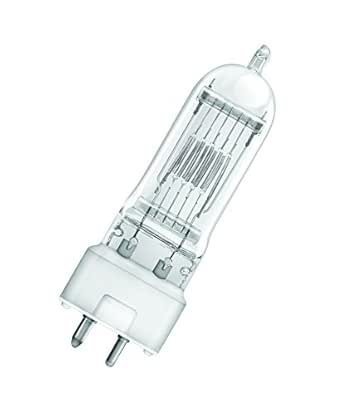
Sylvania 64718 T/27 GCT 240V Halogen Bulb
650w
Ensure Optimal Lighting for Your Stage and StudioIntroducing the Sylvania 64718 T/27 Halogen Light Bulb. A high-performance halogen bulb providing bright and consistent illumination, ideal for professional lighting applications. Brand: Sylvania Wattage: 650W Voltage: 240V Bas...
$32.99*
View on Amazon
✓ In Stock on Amazon.com
*Price sourced from Amazon.com. Last updated:Oct 23, 2026.Price and availability are subject to change — details.
Affiliate Disclosure: As an Amazon Associate, Studio Supplies earns from qualifying purchases made through links on this page, at no additional cost to you. This helps support our editorial team.
Notice a mistake? Let Us Know
Overview
Ensure Optimal Lighting for Your Stage and Studio
Introducing the Sylvania 64718 T/27 Halogen Light Bulb. A high-performance halogen bulb providing bright and consistent illumination, ideal for professional lighting applications.
- Brand: Sylvania
- Wattage: 650W
- Voltage: 240V
- Base Type: Bi-Pin Prefocus (GY9.5)
- Color Temperature: 3,000K
- Bulb Type: Halogen Incandescent
Key Features
OSRAM Light Bulbs, Halogen Bulbs
Wattage: 650w, Voltage: 240v
Base: GY9.5 2 Pin Prefocus
Rated Life: 400 hours
Luminous Flux: 14850 Lumens
Specifications
Brand
Sylvania
Wattage
650w
Voltage
240v
Base
GY9.5 2 Pin Prefocus
Rated Life
400 hours
Luminous Flux
14850 Lumens
Frequently Asked Questions
What is the expected lifespan of this Sylvania halogen bulb?
This bulb has a rated life of 400 hours, meaning it will typically last for this duration under normal operating conditions.
What type of base does this halogen bulb use?
It uses a GY9.5 2 Pin Prefocus base, designed for specific fixtures that accommodate this connection type.
How bright is this Sylvania 64718 bulb?
This bulb provides a luminous flux of 14850 Lumens, indicating a very bright light output suitable for demanding lighting applications.
What voltage is required for this bulb to operate?
The bulb is designed to operate at 240v, so it requires a compatible electrical system.
Is this a standard household light bulb?
No, with its specific wattage, voltage, and base type, this is a specialized halogen bulb, not a standard bulb for typical household fixtures.
Is this bulb energy efficient?
As a 650w halogen bulb, its energy consumption is higher compared to more modern, energy-efficient lighting technologies like LEDs.
Can this bulb be used in any fixture that accepts 650w bulbs?
It must be used in fixtures specifically designed for a GY9.5 2 Pin Prefocus base and capable of handling 240V and 650W.
Related Products


