

Tamron
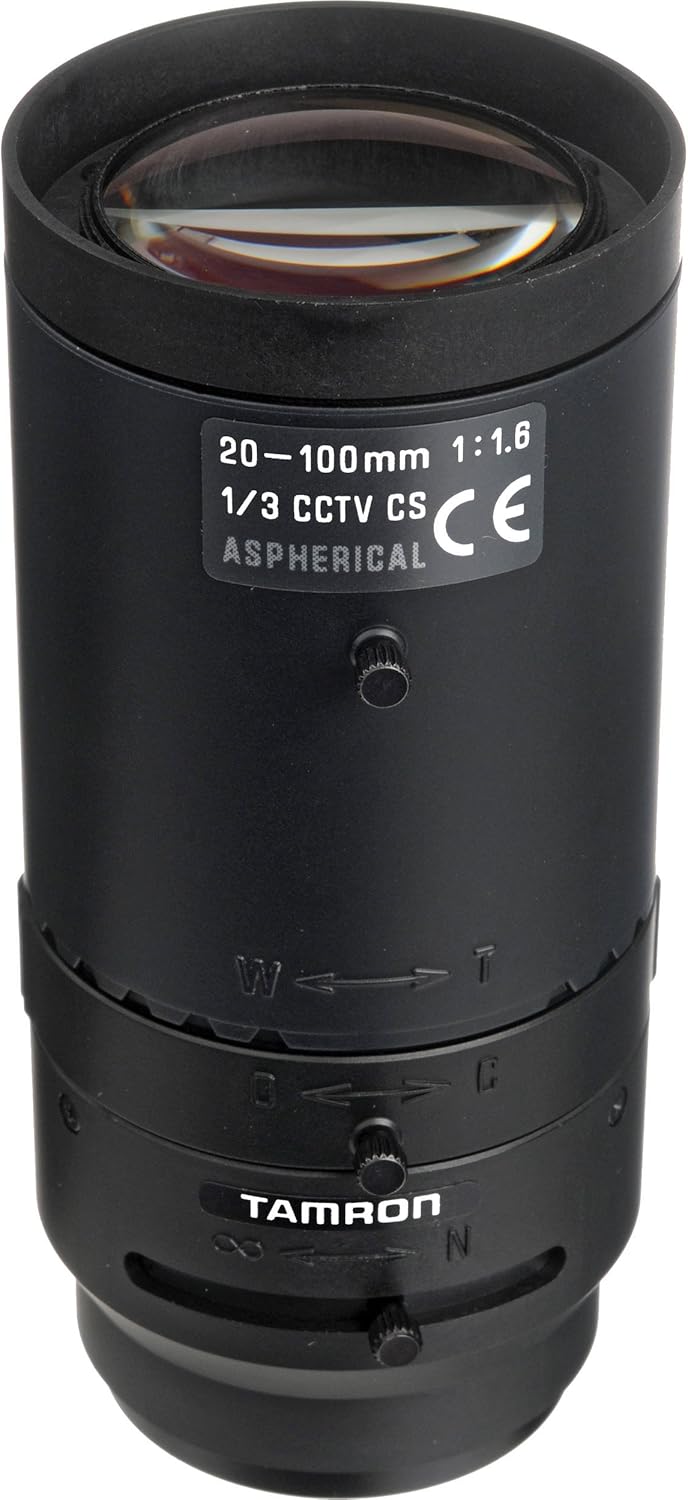
Tamron 13VM20100AS 20-100mm F1.6 Vari-Focal Lens
A 20-100mm F1.6 zoom built for 1/3" sensors — versatile focal range and a fast aperture that keeps your subject sharp from wide to telephoto.
View price on Amazon
Affiliate Disclosure: As an Amazon Associate, Studio Supplies earns from qualifying purchases made through links on this page, at no additional cost to you. This helps support our editorial team.
Notice a mistake? Let Us Know
Overview
Key Features
Tamron Aspherical Manual Iris Zoom Lens 13VM20100AS
Specifications
Focal Length
20-100mm
Maximum Aperture
F/1.6
Lens Type
Vari-Focal Zoom
Iris Type
Manual
Lens Design
Aspherical
Sensor Compatibility
1/3" Format
Model
13VM20100AS
Frequently Asked Questions
What imaging systems is this lens designed for, and what mount does it use?
This lens is designed for cameras with 1/3" image sensors — the format common in industrial, machine vision, and compact video applications. Confirm the mount type matches your specific camera body before purchasing, as this is a specialty lens not designed for consumer interchangeable-lens camera systems.
What does the manual iris mean for shooting in changing light conditions?
With a manual iris you set the aperture by hand — there's no auto-exposure through the lens. This is standard in controlled environments like studio setups or fixed installations where exposure is set once, but it requires manual adjustment if ambient light changes significantly during a shoot.
How does the aspherical lens design affect image quality across the zoom range?
Aspherical elements correct for spherical aberration — the optical distortion that causes blur at the edges of the frame — which is especially valuable at wide apertures like F1.6. The result is sharper edges and better corner-to-corner consistency than comparable all-spherical designs.
What does the 20-100mm focal range translate to in practical shooting terms on a 1/3" sensor?
The 1/3" sensor format has a significant crop factor compared to full-frame. The 20-100mm range on a 1/3" sensor covers a wide-to-telephoto spread that provides considerable compositional flexibility — from broader environmental context at 20mm to tight subject isolation at 100mm.
Does the vari-focal design mean focus shifts as I zoom?
Yes — vari-focal lenses typically require refocusing when the focal length is changed, unlike parfocal zoom lenses which hold focus through the zoom range. This is a standard characteristic of vari-focal design and is worth accounting for in your workflow.
Related Products


