

Tamron
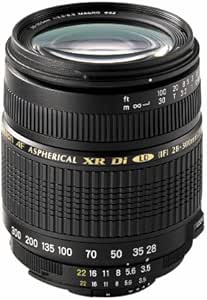
Tamron AF 28-300mm XR Di LD Canon Zoom Lens
f/3.5
Capture the World with the Tamron 28-300mm Ultra Zoom Lens The Tamron AF 28-300mm lens offers a wide range of focal lengths in a compact design. This lens provides versatility from macro to telephoto, making it an excellent choice for various shooting scenarios. Its XR (Extra Refractive Index) gl...
$178.00*
View on Amazon
✓ In Stock on Amazon.com
*Price sourced from Amazon.com. Last updated:Aug 29, 2026.Price and availability are subject to change — details.
Affiliate Disclosure: As an Amazon Associate, Studio Supplies earns from qualifying purchases made through links on this page, at no additional cost to you. This helps support our editorial team.
Notice a mistake? Let Us Know
Overview
Capture the World with the Tamron 28-300mm Ultra Zoom Lens
The Tamron AF 28-300mm lens offers a wide range of focal lengths in a compact design. This lens provides versatility from macro to telephoto, making it an excellent choice for various shooting scenarios. Its XR (Extra Refractive Index) glass ensures high image quality.
Specifications:
- Focal Length: 28-300mm
- Maximum Aperture: f/3.5-6.3
- Lens Type: Zoom Lens
- Compatibility: Canon Digital SLR Cameras
- Special Features: XR (Extra Refractive Index) glass, Macro capability
Key Features
World's smallest and lightest 28-300mm lens (June 2004)
28-300mm focal length
f/3.5-6.3 maximum aperture
XR (Extra Refractive Index) glass
Multipurpose lens for Canon 35mm film and digital SLRs; macro to telephoto ranges
Specifications
Brand
Tamron
Focal Length
28-300mm
Maximum Aperture
f/3.5-6.3
Glass Type
XR (Extra Refractive Index)
Compatibility
Canon 35mm film and digital SLRs
Frequently Asked Questions
What is the focal length range of this Tamron lens?
This Tamron lens offers a highly versatile 28-300mm focal length, covering wide-angle to telephoto perspectives.
What is the maximum aperture of the Tamron AF 28-300mm lens?
The lens has a variable maximum aperture of f/3.5 at the wide end, extending to f/6.3 at the telephoto end.
Is this lens compatible with both film and digital Canon SLR cameras?
Yes, the lens is designed as a multipurpose option for both Canon 35mm film and digital SLR cameras.
What does "XR (Extra Refractive Index) glass" mean for this lens?
XR glass is used to help achieve a more compact and lightweight lens design while maintaining optical quality.
Was this lens considered a compact option when it was released?
Yes, as of June 2004, it was recognized as the world's smallest and lightest 28-300mm lens, highlighting its portability.
Related Products


