

Telex
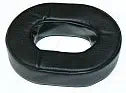
Telex Stratus/Echelon Foam Ear Cushions - Pair
Restore the acoustic seal and extended-wear comfort your Telex Stratus or Echelon headset was built for — direct from the source.
View price on Amazon
Affiliate Disclosure: As an Amazon Associate, Studio Supplies earns from qualifying purchases made through links on this page, at no additional cost to you. This helps support our editorial team.
Notice a mistake? Let Us Know
Overview
Specifications
Accessory Type
Ear Cushions
Quantity
Pair
Compatibility
Telex Stratus/Echelon Headsets
Frequently Asked Questions
Which Telex headset models do these cushions actually fit?
These foam ear cushions are confirmed compatible with the Stratus 50D, Stratus 30XT, and Echelon 25XT models. Before ordering, verify your specific headset variant — Telex's over-ear and on-ear models use different cushion dimensions and mounting mechanisms, and an incorrect cushion will compromise both comfort and isolation.
How do worn cushions affect the acoustic performance of my Telex headset?
Ear cushion degradation directly impacts isolation. As the foam compresses and the outer material cracks or hardens, the acoustic seal against the ear deteriorates — ambient noise bleeds in more readily, and the perceived low-end response of the headset thins out as the seal breaks. On broadcast or intercom-heavy environments, that isolation loss translates directly to more ambient bleed into your monitoring mix.
How difficult is the installation process?
Installation is designed for field replacement — these cushions are user-installable without tools. The foam mounts to the ear cup with a friction or tab-based retention system standard to Telex's Stratus and Echelon headset families, making replacement a practical procedure between shifts or sessions rather than a depot repair.
Do replacement cushions change the headset's passive noise attenuation?
Fresh foam cushions restore the original passive attenuation specification of the headset — you're recovering performance, not adding to it. If your current cushions have been in service long enough to visibly compress or crack, the improvement in isolation from replacing them can be immediately noticeable in high-SPL environments like live broadcast floors or stage monitor rigs.
How often should foam ear cushions be replaced under regular professional use?
Under daily production use — broadcast, live event, or intercom-heavy workflows — foam ear cushions typically show meaningful compression and material degradation within 12 to 18 months. In high-sweat environments or shared headset pools, more frequent replacement is advisable both for hygiene and to maintain consistent acoustic performance across all units.
Related Products


