

Teradek
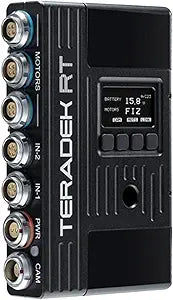
Teradek MDR.X 15-0010 3-Axis Lens Control Receiver
Precise Lens Control with Teradek MDR.X ReceiverThe Teradek MDR.X is a lightweight, 3-axis lens control receiver designed for professional camera setups. Featuring support for focus, iris, and zoom, as well as integrated RED camera control, this receiver allows for precise adjustments. Its OLED d...
$907.79*$1,208.79Save 24%
Check availability
*Price sourced from Amazon.com. Last updated:Aug 28, 2026.Price and availability are subject to change — details.
Affiliate Disclosure: As an Amazon Associate, Studio Supplies earns from qualifying purchases made through links on this page, at no additional cost to you. This helps support our editorial team.
Notice a mistake? Let Us Know
Overview
Precise Lens Control with Teradek MDR.X Receiver
The Teradek MDR.X is a lightweight, 3-axis lens control receiver designed for professional camera setups. Featuring support for focus, iris, and zoom, as well as integrated RED camera control, this receiver allows for precise adjustments. Its OLED display provides real-time lens information.
Specifications:
- Channels: 3-axis (Focus, Iris, Zoom)
- Compatibility: Industry Standard Cameras
- Features: Integrated RED Camera Control, OLED Display
- Connectivity: Bluetooth
- Weight: 140g
Key Features
3-axis receiver for focus, iris, zoom
Ultra lightweight 140g
On-unit OLED display
Specifications
Functionality
3-Axis Lens Control (Focus, Iris, Zoom)
Weight
140g
Display Type
On-unit OLED
Frequently Asked Questions
What functions can the Teradek MDR.X receiver control?
The Teradek MDR.X 15-0010 receiver is designed for 3-axis lens control, allowing precise adjustments of focus, iris, and zoom.
How heavy is this lens control receiver?
This receiver is ultra-lightweight, weighing only 140g, which contributes to more manageable camera rigs.
Does the receiver have a display for settings?
Yes, it features an on-unit OLED display, providing clear visual feedback for operation and settings adjustments.
Is this a complete lens control system on its own?
No, this is a 3-axis receiver component, which typically requires a compatible transmitter, motors, and lenses to form a complete operational system.
What are the main benefits of an ultra-lightweight receiver?
An ultra-lightweight design helps reduce the overall weight of camera setups, which is advantageous for handheld operation, gimbals, and drones by reducing strain and improving maneuverability.
Related Products


