



Tiffen
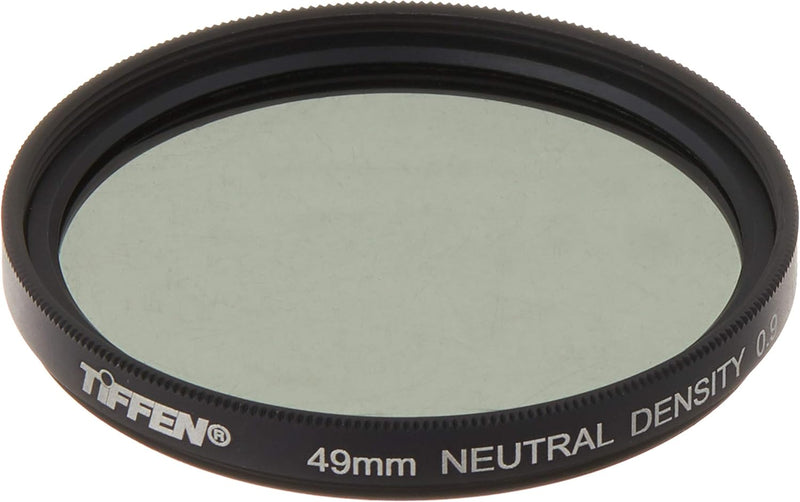
Tiffen 49ND9 49mm Neutral Density 0.9 Camera Lens Filter
Control Light and Create Effects with Neutral Density Filtering The Tiffen 49mm Neutral Density 0.9 Filter reduces the amount of light entering the camera lens, enabling longer exposures and wider apertures. Specifications: * Filter Size: 49mm * Filter Type: Neutral Density (ND) * Densit...
View price on Amazon
Affiliate Disclosure: As an Amazon Associate, Studio Supplies earns from qualifying purchases made through links on this page, at no additional cost to you. This helps support our editorial team.
Notice a mistake? Let Us Know
Overview
Control Light and Create Effects with Neutral Density Filtering
The Tiffen 49mm Neutral Density 0.9 Filter reduces the amount of light entering the camera lens, enabling longer exposures and wider apertures.
Specifications: * Filter Size: 49mm * Filter Type: Neutral Density (ND) * Density: 0.9 (3-Stop) * Effect: Light ReductionKey Features
Eliminates overly bright, washed-out images
Balances exposure
Controls depth of field
49 millimeters in diameter
For use with F-stop 3 on a manual camera; for all film types, color or black and white
Specifications
Filter Type
Neutral Density
Neutral Density Value
0.9
Diameter
49 millimeters
F-stop compatibility
F-stop 3 (manual camera)
Film Type Compatibility
All film types (color or black and white)
Frequently Asked Questions
What is the main benefit of using the Tiffen 49ND9 filter?
The main benefit of using the Tiffen 49ND9 filter is its ability to eliminate overly bright and washed-out images by reducing excess light.
What diameter lens is this Tiffen filter suitable for?
This Tiffen filter is specifically designed for camera lenses with a 49mm diameter.
Can this filter be used with both color and black and white film?
Yes, the Tiffen 49ND9 filter is versatile and suitable for use with all film types, whether color or black and white.
How does this filter affect exposure?
It helps to balance exposure by reducing the amount of light entering the lens, allowing for more consistent results in bright conditions.
Does this filter allow for greater control over depth of field?
Yes, by reducing light, it enables the use of wider apertures or slower shutter speeds, which provides enhanced control over depth of field.
Related Products


