

Tiffen
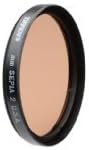
Tiffen 49SEP2 49mm Sepia 2 Filter
★★★★★
Wrap your 49mm lens in warm, brown-toned nostalgia — the Tiffen Sepia 2 Filter renders vintage atmosphere in-camera before post-processing begins.
$49.00*
View on Amazon
✓ In Stock on Amazon.com
*Price sourced from Amazon.com. Last updated:Jul 14, 2026.Price and availability are subject to change.
Affiliate Disclosure: Studio Supplies may earn a commission from qualifying purchases made through links on this page, at no additional cost to you. This helps support our editorial team.
Notice a mistake? Let Us Know
Overview
Key Features
Country of Origin:United States
Package length:4.2"
Package width:3.5"
Package height:0.9"
Specifications
Brand
Tiffen
Model
49SEP2
Filter Diameter
49mm
Filter Type
Sepia Tone
Density
2
Country of Origin
United States
Package Dimensions
4.2" x 3.5" x 0.9"
Pros & Cons
👍 Pros
- The 49mm thread fits a wide range of compact primes and kit lenses, making this filter accessible to mirrorless and rangefinder system shooters.
- Sepia 2 density produces a visible, characterful vintage tone that eliminates the need for heavy post-processing to achieve the look.
- ColorCore construction ensures color uniformity edge-to-edge — no cooler corners or uneven tonal shifts at this format size.
- Lightweight and compact enough to carry in a shirt pocket on portrait sessions without adding bulk to a minimal kit.
- Works beautifully for printed fine art photography where in-camera tonal warmth produces different — and often preferred — results over digital grades.
👎 Cons
- The fixed Sepia 2 density means you're locked into this strength — blending or reducing the effect requires post-processing on top of the filter, which partially defeats the purpose.
- No reported multi-coating; flare resistance in strong backlight is limited compared to multi-coated alternatives.
- The greenish-brown cast interacts unpredictably with already-warm ambient light — late golden-hour shooting can push the results more orange than intended.
- Sepia effect only works on color imaging — shooting in-camera black-and-white or processing to monochrome eliminates the filter's intended effect entirely.
Frequently Asked Questions
How does the Sepia 2 effect look on a digital sensor versus film?
On digital, the filter introduces a warm greenish-brown cast directly into the raw capture — it sits differently in the highlights and shadows than a post-process sepia grade, which tends to be more uniform. Film photographers using color emulsion will see the tone baked organically into the grain structure. Either way, you're working with the effect as part of the image, not layered over it.
Will this filter affect autofocus performance on 49mm lenses?
AF performance is unaffected — the filter's optical glass doesn't interfere with phase-detection or contrast-detection systems. Exposure metering may read slightly off due to the filter's light absorption, so review your first few exposures and dial in compensation as needed.
Is Sepia 2 too strong for subtle vintage work, or should I choose Sepia 1?
Sepia 2 is a committed vintage statement — the warm-brown cast is clearly visible and reads strongly in the final image. If you want a delicate hint of warmth that could pass for natural, Sepia 1 is the more restrained choice. Sepia 2 is best for portraits, still life, and landscapes where the vintage mood is the explicit creative intent.
Does the 49mm size have any optical quality compromises compared to larger filter diameters?
No — smaller filter diameters are actually less prone to edge-color inconsistency than larger ones. At 49mm, the ColorCore construction (which sandwiches the dye in optical glass) produces clean, even tonal coverage across the frame.
Can I stack this filter with a UV or protective filter?
Stacking is technically possible but adds an extra air-to-glass surface, which increases the risk of flare and slightly reduces contrast — especially noticeable with backlit subjects. For best results, use the Sepia 2 alone and remove any stacked filters underneath it.
Related Products


