

Tiffen
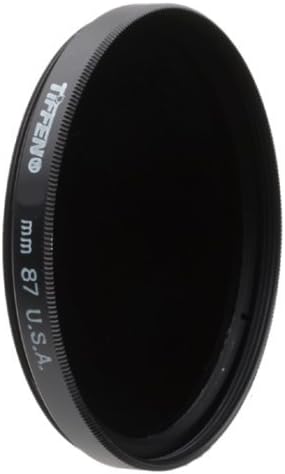
Tiffen 5287 52mm Infrared IR 87 Filter Photography
★★★★★
Specialized 52mm opaque infrared filter that blocks all visible light for dramatic black-and-white infrared film photography.
$75.44*
View on Amazon
✓ In Stock on Amazon.com
*Price sourced from Amazon.com. Last updated:Jul 15, 2026.Price and availability are subject to change.
Affiliate Disclosure: Studio Supplies may earn a commission from qualifying purchases made through links on this page, at no additional cost to you. This helps support our editorial team.
Notice a mistake? Let Us Know
Overview
Key Features
For black-and-white infrared film only
No visible transmission
52 millimeters in diameter
Total visible light absorption
Specifications
Brand
Tiffen
Model
5287
Filter Type
Infrared (IR 87)
Diameter
52mm
Visible Light Transmission
None (Total Absorption)
Compatibility
Black-and-White Infrared Film
Mount Type
Screw-On
Pros & Cons
👍 Pros
- Complete visible light blocking allows only infrared wavelengths through for true IR photography
- Standard 52mm thread fits a wide range of lenses and can be adapted to other sizes with step-up rings
- Durable Tiffen glass construction maintains optical clarity without introducing distortion
- Simple screw-on design requires no special mounting hardware or modification to the lens
👎 Cons
- Completely opaque to the eye — you must compose and focus before mounting the filter on the lens
- Designed specifically for black-and-white infrared film and will not work with standard unmodified digital cameras
- Requires significant exposure compensation that varies by film stock and conditions, demanding test shots and bracketing
- Limited to a single specialized purpose with no versatility for general or color photography
Frequently Asked Questions
What type of photography is this filter designed for?
The Tiffen 52mm IR 87 filter is designed exclusively for black-and-white infrared film photography. It blocks all visible light and transmits only infrared wavelengths, producing the distinctive bright foliage and dark skies associated with infrared imagery.
Can I use this filter with a digital camera?
It is designed for black-and-white infrared film. While it can physically mount on a digital camera with a 52mm filter thread, most standard digital sensors have an IR-blocking filter that would prevent meaningful infrared capture. A digital camera would need to be IR-converted or IR-sensitive to produce results with this filter.
Will I be able to see through the viewfinder with this filter attached?
No. The IR 87 filter has zero visible light transmission, so the viewfinder will appear completely black. You need to compose and focus your shot before attaching the filter, then mount it for the exposure.
What filter thread size does this fit?
It fits lenses with a 52mm front filter thread. If your lens has a different thread size, you can use a step-up or step-down adapter ring.
Do I need to adjust exposure when using this filter?
Yes. Because the filter blocks all visible light, significant exposure compensation is required. The exact adjustment depends on your film stock and lighting conditions, and most photographers bracket their exposures when working with infrared film and this filter.
Related Products


