

Tiffen
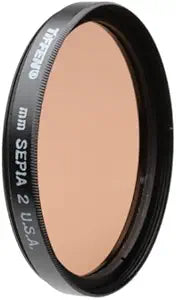
Tiffen 52mm Sepia 2 Camera Lens Filter
★★★★★
Add a rich, vintage warmth to any shot with Tiffen's precision-crafted 52mm Sepia 2 filter.
$49.00*
View on Amazon
✓ In Stock on Amazon.com
*Price sourced from Amazon.com. Last updated:Jul 15, 2026.Price and availability are subject to change.
Affiliate Disclosure: Studio Supplies may earn a commission from qualifying purchases made through links on this page, at no additional cost to you. This helps support our editorial team.
Notice a mistake? Let Us Know
Overview
Key Features
Creates a warm brown glow on image
For color imaging
52 millimeters in diameter
Specifications
Brand
Tiffen
Filter Type
Sepia 2
Diameter
52mm
Effect
Warm Brown Glow
Compatibility
Color Imaging
Pros & Cons
👍 Pros
- Produces a consistent, warm brown tone in-camera without post-processing
- Fits any 52mm-threaded lens for broad compatibility
- Durable Tiffen glass construction holds up to regular field use
- Delivers a more intense sepia effect than lighter-grade filters for a distinctly vintage look
👎 Cons
- Only available in 52mm, requiring step-up rings for other lens sizes
- The strong Sepia 2 tint may be too intense for subtle warming needs
- Cannot be easily dialed back since the effect strength is fixed
- Adds a slight reduction in light transmission
Frequently Asked Questions
What is the difference between Sepia 1 and Sepia 2?
The Sepia 2 produces a stronger, more pronounced warm brown tone compared to the Sepia 1, which offers a subtler effect. Choose the intensity based on how dramatic you want the vintage look.
Can this filter be stacked with other 52mm filters?
Yes, it can be threaded onto other 52mm filters, though stacking multiple filters may introduce vignetting on wider focal lengths.
Does the Sepia 2 filter work with both digital and film cameras?
Yes, it threads onto any lens with a 52mm filter thread regardless of whether you are shooting digital or film.
Will this filter affect autofocus or metering?
The sepia tint may slightly influence your camera's metering since it reduces some light transmission, but autofocus performance is unaffected.
Related Products


