

Tiffen
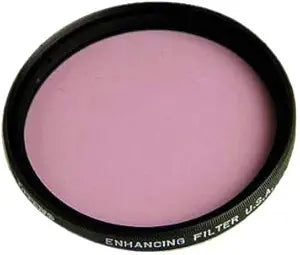
Tiffen 58EF1 58mm Enhancing Color Filter
Saturate autumn foliage and red-earth landscapes with the Tiffen Enhancing Filter's selective warm-tone intensification, straight out of camera.
$89.99*
View on Amazon
✓ In Stock on Amazon.com
*Price sourced from Amazon.com. Last updated:Aug 29, 2026.Price and availability are subject to change — details.
Affiliate Disclosure: As an Amazon Associate, Studio Supplies earns from qualifying purchases made through links on this page, at no additional cost to you. This helps support our editorial team.
Notice a mistake? Let Us Know
Overview
Key Features
Makes reds and warm tones "pop".
Package Dimensions: 1.524 H x 8.636 L x 7.366 W (centimeters)
Package Weight: 0.13 pounds
Country of Origin : United States
Specifications
Brand
Tiffen
Model
58EF1
Filter Size
58mm
Filter Type
Enhancing (Color Intensifying)
Effect
Intensifies reds, browns, and oranges
Country of Origin
United States
Weight
0.13 lbs
Package Dimensions
1.524 H x 8.636 L x 7.366 W cm
Frequently Asked Questions
Which specific colors does the Tiffen Enhancing Filter affect, and which does it leave alone?
The filter selectively intensifies reds, rust browns, and oranges using a rare-earth didymium glass formula. Blues, greens, and neutral tones are largely unaffected — skin tones will shift slightly warmer but skies and foliage retain their character. It's a surgical warm-tone boost, not a general color cast.
Will I need to compensate exposure when using this filter?
Yes, typically around 1 to 1.5 stops depending on the light and the density of reds in the scene. The filter absorbs some light as part of its selective transmission process. Meter through the lens after mounting and adjust accordingly — auto-exposure systems will handle it, but manual shooters should check the histogram.
Does the Enhancing Filter stack well with a circular polarizer?
It can be stacked, and the combination is popular for landscape work where you want both reflection control and warm-tone enhancement. However, two filters together increase the risk of vignetting on wide-angle lenses, and you'll compound the exposure loss from both filters. Test your widest focal length before committing to this combination on a shoot.
Is this a filter for RAW or JPEG shooters?
Both, but it's more compelling for JPEG or film shooters where the effect is baked in-camera. RAW shooters can achieve a similar result in post, though some photographers prefer the Enhancing Filter's analog character — the effect is smooth and continuous across tones in a way that selective HSL adjustments can struggle to replicate naturally.
Related Products


