

Tiffen
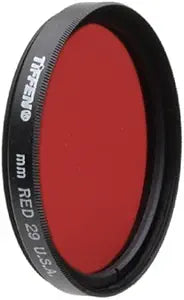
Tiffen 62R29 62mm Red #29 Filter B&W Photography
Enhance Your Black and White Photography with Dramatic ContrastThe Tiffen 62mm #29 Red Filter is designed to create dramatic contrast and tonal separation in black and white photography. By absorbing blue colors and enhancing reds, this filter is ideal for landscape, forensic, and scientific phot...
$49.99*
View on Amazon
✓ In Stock on Amazon.com
*Price sourced from Amazon.com. Last updated:Aug 28, 2026.Price and availability are subject to change — details.
Affiliate Disclosure: As an Amazon Associate, Studio Supplies earns from qualifying purchases made through links on this page, at no additional cost to you. This helps support our editorial team.
Notice a mistake? Let Us Know
Overview
Enhance Your Black and White Photography with Dramatic Contrast
The Tiffen 62mm #29 Red Filter is designed to create dramatic contrast and tonal separation in black and white photography. By absorbing blue colors and enhancing reds, this filter is ideal for landscape, forensic, and scientific photography, allowing you to achieve unique and impactful results.
- Filter Type: Dark Red
- Diameter: 62mm
- Application: Black and White Photography
- Features: Contrast Enhancement, Tonal Separation
- Construction: ColorCore Technology
Key Features
Dark red filter
Used in scientific photography
62mm diameter
Primarily for black-and-white images
Specifications
Filter Color
Dark red
Filter Type
Red #29
Diameter
62mm
Primary Use
Black-and-white photography
Secondary Use
Scientific photography
Frequently Asked Questions
What is the primary use of the Tiffen 62mm Red #29 filter?
This filter is primarily used for black-and-white photography, where its dark red color significantly enhances contrast and tonal separation.
What size lens is this filter compatible with?
The Tiffen Red #29 filter has a 62mm diameter, making it compatible with camera lenses that have a 62mm filter thread.
Can this filter be used for color photography?
No, this dark red filter is primarily for black-and-white images and is not intended for use in color photography, as it will dramatically alter color rendition.
Besides artistic black-and-white photography, does this filter have other applications?
Yes, it is also indicated for use in scientific photography, suggesting its utility in specialized imaging fields.
How does this filter affect the appearance of black-and-white photos?
It creates strong contrast, making blues (like skies) appear much darker and enhancing the separation between different elements in the scene, which can lead to dramatic effects.
Related Products


