

Tiffen
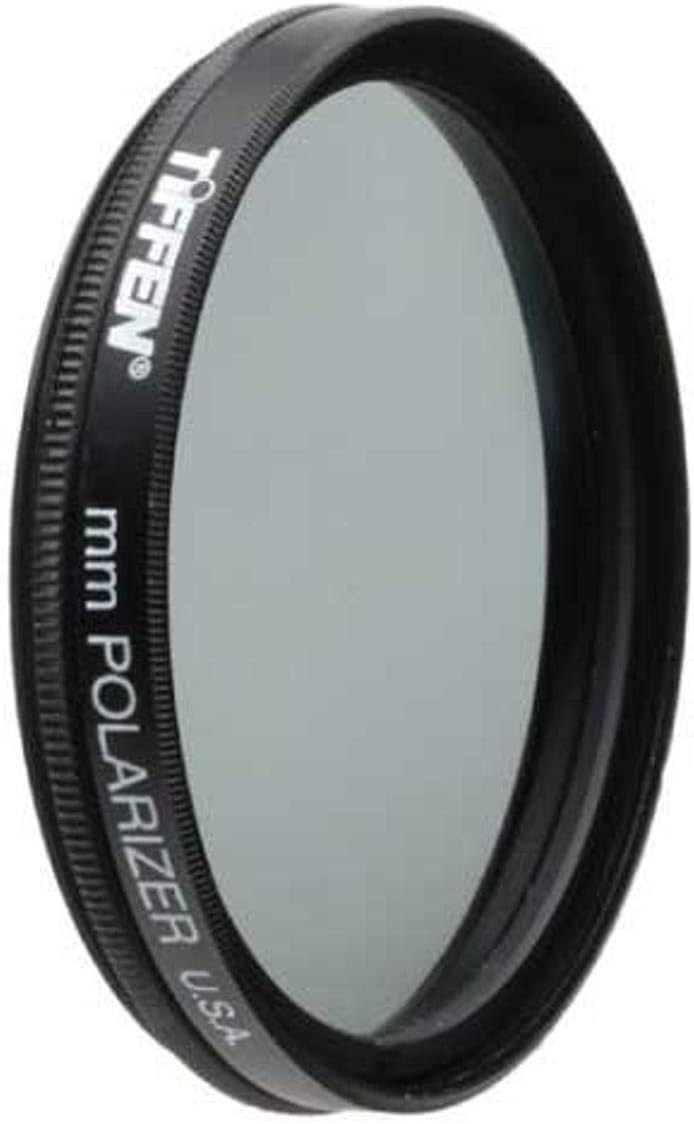
Tiffen 67POL 67mm Linear Polarizing Filter Photography
Tiffen's 67mm linear polarizer cuts glare and reflections while boosting color saturation for vivid outdoor photography.
$29.99*
View on Amazon
✓ In Stock on Amazon.com
*Price sourced from Amazon.com. Last updated:Aug 30, 2026.Price and availability are subject to change — details.
Affiliate Disclosure: As an Amazon Associate, Studio Supplies earns from qualifying purchases made through links on this page, at no additional cost to you. This helps support our editorial team.
Notice a mistake? Let Us Know
Overview
Key Features
Essential general-use outdoor color filter
Can be rotated to achieve desired effect
67mm diameter
Reduces glare and reflections from nonmetallic objects and glass surfaces
Minimize haze in both color and black-and-white photography
Specifications
Brand
Tiffen
Model
67POL
Filter Size
67mm
Filter Type
Linear Polarizer
Function
Reduces glare and reflections, saturates colors, enhances contrast
Frequently Asked Questions
What is the difference between a linear and circular polarizer?
A linear polarizer filters light in a single plane to reduce reflections and glare. However, it can interfere with autofocus and metering on modern DSLR and mirrorless cameras, which generally require a circular polarizer. This linear version is best suited for manual focus cameras or video applications.
How do I use the rotating mount to adjust the effect?
Once the filter is threaded onto your 67mm lens, rotate the outer ring while looking through the viewfinder or at your live view screen. You'll see reflections and color saturation change as you turn — stop when you reach your preferred look.
Will this polarizer darken my images?
Yes, polarizing filters absorb some light, typically reducing exposure by about 1 to 2 stops. You may need to adjust your shutter speed, aperture, or ISO to compensate, particularly in overcast or low-light conditions.
Can I stack this filter with other filters on my lens?
You can technically stack it, but adding filters on top of a polarizer may increase the risk of vignetting, especially on wide-angle lenses. It's generally best to use the polarizer on its own for optimal image quality.
Does this filter affect color accuracy?
The filter is designed to enhance color saturation rather than shift colors. It deepens blues in skies and greens in foliage without introducing noticeable color casts.
Related Products


