

Tiffen
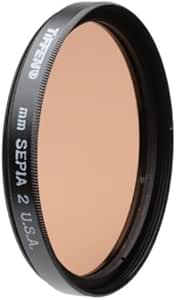
Tiffen 67SEP2 67mm Sepia 2 Filter
Tiffen's Sepia 2 Filter bathes your 67mm glass in warm, vintage-brown tones for instant old-world atmosphere in-camera.
View price on Amazon
Affiliate Disclosure: As an Amazon Associate, Studio Supplies earns from qualifying purchases made through links on this page, at no additional cost to you. This helps support our editorial team.
Notice a mistake? Let Us Know
Overview
Key Features
Gives images a warm, brown glow
For color imaging
67mm diameter
Specifications
Brand
Tiffen
Model
67SEP2
Filter Diameter
67mm
Filter Type
Sepia Solid Color
Density
2
Technology
ColorCore
Compatible Imaging
Color film and digital
Frequently Asked Questions
What visual effect does the Sepia 2 density produce compared to a Sepia 1?
The density 2 rating gives you a noticeably deeper, richer warm-brown cast than Sepia 1 — ideal when you want the vintage effect to read clearly in print or on screen without heavy post-processing. Sepia 1 is subtler; Sepia 2 commits to the look.
Can I use this filter with autofocus, and will it affect my metering?
Yes, AF functions normally through this filter. You'll want to recheck your exposure after mounting it — the warm coloration absorbs some light, so expect a slight underexposure on autoexposure modes until you dial in compensation.
Does this filter work for both film and digital shooting?
It's designed for color imaging on both mediums. On digital, the warm cast lands in-camera before your RAW processor sees the file, giving you a different creative starting point than a post-process sepia grade — particularly useful for JPEGs or video.
What is Tiffen's ColorCore technology and why does it matter for this filter?
ColorCore lamination sandwiches the dye between optical glass elements rather than coating the surface. This keeps the color consistent edge-to-edge and prevents the tonal shift or vignetting you can get with lesser-quality dyed filters, especially at 67mm where wide angles are common.
Will this filter cause color fringing or sharpness loss?
No meaningful sharpness penalty with Tiffen's optical glass construction. Some photographers working at very wide apertures report minimal flare from the additional glass element, but at standard shooting apertures the filter is optically neutral beyond its intended color effect.
Related Products


