



Tiffen
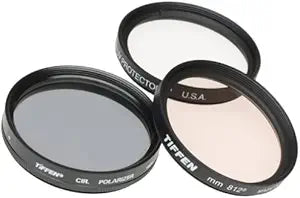
Tiffen 72TPK1 72mm Photo Essentials Filter Kit
Three essential filters in one kit — protect your glass, kill reflections, and warm your light before you raise the camera.
$89.74*
View on Amazon
✓ In Stock on Amazon.com
*Price sourced from Amazon.com. Last updated:Aug 29, 2026.Price and availability are subject to change — details.
Affiliate Disclosure: As an Amazon Associate, Studio Supplies earns from qualifying purchases made through links on this page, at no additional cost to you. This helps support our editorial team.
Notice a mistake? Let Us Know
Overview
Key Features
UV protector
Circular polarizer
72mm diameter
812 color warming filter
Specifications
Filter Thread Diameter
72mm
Kit Contents
UV Protector Filter, 812 Color Warming Filter, Circular Polarizing Filter, 4-Pocket Filter Pouch
Brand
Tiffen
Model
72TPK1
Frequently Asked Questions
What filter thread size does this kit fit, and which lenses typically use 72mm?
This kit is built around the 72mm filter thread. Common 72mm lenses include a range of mid-range telephoto and zoom lenses across Canon, Nikon, and Sony lineups — check your lens cap or barrel markings for the ø symbol followed by the thread diameter before ordering.
Does the UV filter in this kit provide meaningful lens protection, or is it purely optical?
The UV filter serves both roles — it blocks ultraviolet light that can contribute to haze in outdoor shots, and its primary practical value for most photographers is as a physical barrier protecting the front element from dust, moisture, and accidental contact. It's the filter that stays on the lens permanently for many shooters.
How does the 812 warming filter change the look of an image compared to shooting without it?
The 812 filter adds a subtle warm amber tone to skin tones and scenes with natural light — it's similar to what you'd achieve by shifting your white balance slightly warmer in post, but applied optically. It's particularly effective for golden-hour portraits and autumn landscapes where you want to reinforce the warmth already present in the scene.
When is the circular polarizer in this kit most effective?
The circular polarizer does its best work when the sun is roughly 90 degrees to your shooting direction. At that angle it maximally darkens blue skies, reduces surface glare from water and glass, and saturates foliage. Rotate the outer ring while looking through the viewfinder until reflections reduce or sky contrast increases — that's your optimal position.
Can these three filters be stacked together on the lens simultaneously?
Stacking all three is physically possible but not recommended. Combining filters increases the risk of vignetting at wider focal lengths and can introduce flare or color cast interactions. Use each filter independently for the situation it's designed for.
Related Products


