

Tiffen
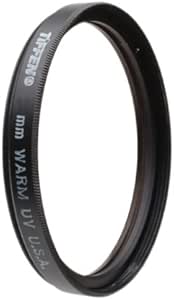
Tiffen 72WRMUV 72mm Warm UV Protection Filter
Protect your glass and warm every shot — Tiffen's 72mm Warm UV filter is the one filter that earns a permanent place on your lens.
$85.00*
View on Amazon
✓ In Stock on Amazon.com
*Price sourced from Amazon.com. Last updated:Aug 28, 2026.Price and availability are subject to change — details.
Affiliate Disclosure: As an Amazon Associate, Studio Supplies earns from qualifying purchases made through links on this page, at no additional cost to you. This helps support our editorial team.
Notice a mistake? Let Us Know
Overview
Key Features
Most effective protection filter.
Absorbs slightly less UV light than the Haze 2A
Combines the benefits of the UV17 with the Tiffen 812 color warming filter for added warmth
Product Description The warm UV filter is a great way to saf
Specifications
Filter Size
72mm
Filter Type
Warm UV
Function
UV Light Absorption, Color Warming
Warming Filter Base
Tiffen 812®
Country of Origin
United States
Frequently Asked Questions
Will this filter visibly warm my images, or is the effect subtle enough to leave on all the time?
The warming is genuine but gentle — it's based on Tiffen's 812 filter characteristic, which adds a soft amber shift that flatters skin tones and counteracts the cool blue cast of open shade or overcast light. Most photographers leave it mounted permanently on outdoor lenses and handle any further correction in post. It's noticeably warmer than a standard UV but not so aggressive that it fights sunny midday light.
How does the Warm UV compare to just using a plain UV or clear protective filter on this lens?
A clear protective filter blocks UV but does nothing for color. The Warm UV gives you the same scratch and dust protection while also reducing the cold, flat look that UV-heavy outdoor light creates — particularly useful on the blue-channel-heavy 72mm lenses often used for landscape or portrait work. If you're regularly correcting yellow in post anyway, this filter does part of the work in-camera.
Does the 72mm Warm UV affect autofocus or add any flare issues?
No measurable impact on autofocus — the filter is optically neutral in terms of light transmission geometry. Like any filter glass, there is a theoretical marginal increase in flare potential shooting directly into strong light sources, but Tiffen's multi-layer coating keeps this well controlled under normal shooting conditions.
Is this filter compatible with a 72mm polarizer or ND filter stacked on top?
Yes, the filter has standard 72mm threads on both faces, so stacking is physically possible. That said, adding a second filter in bright conditions can increase the risk of vignetting on very wide-angle lenses, so test your specific glass before committing to a stacked setup in the field.
Related Products


