



Tiffen
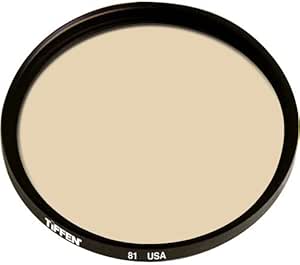
Tiffen 7781 77mm 81 Light Balancing Filter
The Tiffen 77mm 81 filter adds subtle warmth to correct cool color casts from overcast skies or electronic flash.
$64.58*
View on Amazon
✓ In Stock on Amazon.com
*Price sourced from Amazon.com. Last updated:Aug 28, 2026.Price and availability are subject to change — details.
Affiliate Disclosure: As an Amazon Associate, Studio Supplies earns from qualifying purchases made through links on this page, at no additional cost to you. This helps support our editorial team.
Notice a mistake? Let Us Know
Overview
Key Features
Creates warmer tones and brighter colors on overcast days or when shooting with electronic flash.
Great for improving flesh tones.
81A converts tungsten 3200 K film to 3400 K lighting.
High quality optical glass.
High Quality Metal mounting ring.
Specifications
Brand
Tiffen
Model
7781
Filter Size
77mm
Filter Type
81 Light Balancing
Glass Material
Optical Glass
Mount Material
Metal
Frequently Asked Questions
What does the Tiffen 81 filter do to my images?
The 81 filter adds a slight warm tone to photographs, counteracting the blue color cast that occurs in overcast, shaded, or flash-lit conditions.
What is the difference between an 81, 81A, 81B, and 81C filter?
The number after 81 indicates increasing density and warmth. The base 81 provides the subtlest correction, while 81A, 81B, and 81C progressively add more warmth. This is the lightest option in the series.
Can I use this filter for digital photography or is it only for film?
While originally designed for film color correction, the 81 filter works with digital cameras as well to add a warm tone in-camera, which some photographers prefer over post-processing adjustments.
Will this filter fit my lens?
This specific model is 77mm. Your lens must have a 77mm filter thread to use it directly. Check the markings on your lens barrel or lens cap to confirm your thread size.
Does the Tiffen 81 filter reduce the amount of light entering the lens?
The 81 filter absorbs a very small amount of light, but the reduction is minimal and typically does not require exposure compensation in practice.
Related Products


