

Tiffen
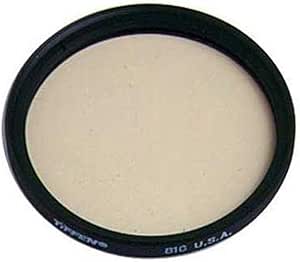
Tiffen 7781C 77mm 81C Warming Filter
Rescue portraits and landscapes from the cold blue cast of overcast skies with Tiffen's 77mm 81C warming filter.
$69.99*$85.00Save 17%
View on Amazon
✓ In Stock on Amazon.com
*Price sourced from Amazon.com. Last updated:Aug 30, 2026.Price and availability are subject to change — details.
Affiliate Disclosure: As an Amazon Associate, Studio Supplies earns from qualifying purchases made through links on this page, at no additional cost to you. This helps support our editorial team.
Notice a mistake? Let Us Know
Overview
Key Features
Creates warmer tones and brighter colors on overcast days or when shooting with an electronic flash
Great for improving flesh tones
Warmer than the 81B filter
77mm diameter
Specifications
Brand
Tiffen
Model
7781C
Filter Type
81C Warming
Diameter
77mm
Function
Adds warmth, improves flesh tones in cool light
Compatible Light
Overcast daylight, electronic flash
Frequently Asked Questions
How much warmer does the 81C render compared to the 81A or 81B?
The 81C sits at the top of the 81-series warming progression — visibly warmer than both the 81A and 81B. On a gray overcast day or under electronic flash, the shift is noticeable in skin tones and warm-spectrum colors without looking artificially orange.
Does this filter require any exposure compensation?
Yes, a slight adjustment is needed. The 81C has a filter factor of approximately 1/3 to 2/3 stop. In manual exposure, you'll typically open up by about a third stop. In auto modes, your camera's metering system will compensate automatically.
Will the 81C work with lenses that have a 77mm filter thread other than Tiffen glass?
The thread is standard 77mm, so it will fit any lens with a 77mm filter thread regardless of brand. It also accepts 77mm lens caps and step-up/step-down rings normally.
Can the 81C be used with a circular polarizer — either stacked on top or behind it?
Yes, but stacking filters adds glass elements that can introduce vignetting on wide-angle lenses and increases the exposure hit. If you stack, put the 81C closest to the lens and the polarizer on top for easier rotation.
Is this filter still useful when shooting RAW files that can be white-balanced in post?
For RAW shooters, it's largely a creative choice rather than a technical necessity. Some photographers prefer dialing in warmth optically to shift the tonal rendering at the sensor level; others handle it entirely in Lightroom. For JPEG shooters or film work, the filter is doing real work.
Related Products


