



Tiffen
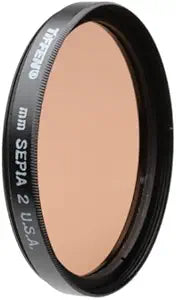
Tiffen 77SEP2 77mm Sepia 2 Filter
The Tiffen Sepia 2 filter wraps every frame in a warm, greenish-brown tone that a Lightroom preset can approximate but never quite replicate in-camera.
View price on Amazon
Affiliate Disclosure: As an Amazon Associate, Studio Supplies earns from qualifying purchases made through links on this page, at no additional cost to you. This helps support our editorial team.
Notice a mistake? Let Us Know
Overview
Key Features
Gives images a warm, brown glow
For color imaging
77mm diameter
Specifications
Filter Type
Sepia Solid Color
Color Density
2
Diameter
77mm
Construction Technology
ColorCore
Compatible Imaging
Color film and digital sensors
Brand
Tiffen
Model
77SEP2
Frequently Asked Questions
What is the visual difference between Sepia 1 and Sepia 2 density?
Sepia 2 applies a heavier, more saturated tone shift than Sepia 1 — the effect is more immediately visible, with a stronger warm-brown coloration across the entire image. For subtle antique warmth, Sepia 1 is the choice; Sepia 2 is for a more committed, period-photograph look that reads clearly even at smaller reproduction sizes.
Does the Sepia 2 filter work on digital camera sensors or only on film?
It works on both. On digital, the filter shifts the white balance and color of the captured RAW or JPEG file in-camera, which is particularly useful for live view composition where you want to see the effect as you shoot. The ColorCore construction ensures the color shift is consistent frame to frame.
Will this filter affect exposure, and does it require compensation?
Yes — adding any solid color filter reduces the light reaching the sensor, and Sepia 2 will require some exposure compensation. The exact amount depends on your metering mode; TTL metering in modern cameras will compensate automatically, but check your histogram to confirm highlight and shadow retention.
Does the 77mm thread fit lenses other than a primary lens?
The 77mm thread size fits any lens with a 77mm filter thread — it's not brand or mount specific. Many standard zoom and prime lenses from Canon, Nikon, Sony, and others use 77mm as their filter thread diameter. Always verify your specific lens's filter thread size before purchasing.
Can this filter be stacked with other filters, such as a UV or polarizer?
Physically, yes — it can be stacked with other threaded filters. However, stacking filters increases the risk of vignetting on wide-angle focal lengths, and combining a solid color filter with a polarizer in post requires careful exposure management. For most creative work with this filter, shooting it alone produces cleaner results.
Related Products


