

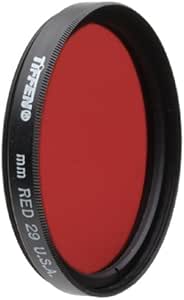
Tiffen
Tiffen 82R29 82mm Red Filter
Enhance Your Black and White Photography with the Tiffen 82mm 29 Filter (Red)The Tiffen 82mm 29 Filter (Red) is designed to enhance contrast and tonal separation in black and white photography. Ideal for landscape and forensic photography, this filter delivers unique and dramatic effects. Type:...
$115.00*
View on Amazon
✓ In Stock on Amazon.com
*Price sourced from Amazon.com. Last updated:Aug 30, 2026.Price and availability are subject to change — details.
Affiliate Disclosure: As an Amazon Associate, Studio Supplies earns from qualifying purchases made through links on this page, at no additional cost to you. This helps support our editorial team.
Notice a mistake? Let Us Know
Overview
Enhance Your Black and White Photography with the Tiffen 82mm 29 Filter (Red)
The Tiffen 82mm 29 Filter (Red) is designed to enhance contrast and tonal separation in black and white photography. Ideal for landscape and forensic photography, this filter delivers unique and dramatic effects.
- Type: Red Filter (#29)
- Size: 82mm
- Effect: Darkens skies, enhances red, builds contrast
- Technology: ColorCore
Key Features
Dark red filter
Used in scientific photography
82mm diameter
Primarily for black-and-white images
Specifications
Filter Type
Red Filter
Filter Color
Dark Red
Filter Diameter
82mm
Primary Use
Black-and-White Photography
Special Application
Scientific Photography
Frequently Asked Questions
What is the main application of the Tiffen 82mm Red Filter?
The main application of this dark red filter is for black-and-white photography, where it is used to enhance contrast and create dramatic tonal separation in monochrome images.
How does this filter affect black-and-white images?
In black-and-white photography, the Tiffen 82mm Red Filter darkens blue tones significantly (like skies), lightens red and orange tones, and can make green foliage appear lighter, leading to more striking landscapes and architectural shots.
What is the diameter of this specific filter?
This Tiffen filter has an 82mm diameter, meaning it is designed to screw onto camera lenses that have an 82mm filter thread.
Can the 82mm Red Filter be used for color photography?
No, this filter is primarily for black-and-white images and is not recommended for color photography, as it will drastically alter the color balance and cast a strong red hue over the entire image.
Is this filter useful for any specialized fields of photography?
Yes, the Tiffen 82mm Red Filter is noted for its use in scientific photography, indicating its capability for specific light manipulation in technical imaging.
Related Products


