

Tiffen
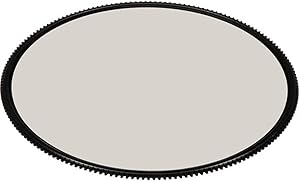
Tiffen ROTARNDGLASS 138mm Circular Polarizer Filter
A cinema-grade 138mm circular polarizer built for the Multi Rota Tray with Water White glass and variable ND capability.
View price on Amazon
Affiliate Disclosure: As an Amazon Associate, Studio Supplies earns from qualifying purchases made through links on this page, at no additional cost to you. This helps support our editorial team.
Notice a mistake? Let Us Know
Overview
Key Features
For Tiffen Multi Rota Tray
Circular Polarizer Filter
1.5x Filter Factor, +0.6 Stop
Helps to Eliminate Reflections and Glare
Reduces Haze in Landscapes
Greater Color and Tonal Saturation
Non-Coated - Water White Glass Construction
Made in the USA by The Tiffen Company
MFR #ROTARNDGLASS
Specifications
Brand
Tiffen
Model
ROTARNDGLASS
Filter Size
138mm
Compatibility
Tiffen Multi Rota Tray
Function
Reduces reflections and glare
Glass Type
Water White
Ring Material
Aluminum-Alloy
Coating
Non-Coated
Special Feature
Circular Polarizer with Quarter Wave Plane
Density Control
Variable Neutral Density (with additional filter)
Exposure Reduction
2 to 6 Stops (with additional filter)
Frequently Asked Questions
What mounting system does this 138mm circular polarizer require?
It is designed specifically for the Tiffen Multi Rota Tray. It is not a screw-on filter and cannot be mounted directly to a lens thread.
How do you adjust the polarization intensity on this filter?
Polarization is adjusted using the external dial on the Multi Rota Tray, allowing precise control without touching the filter itself.
Can this filter be used to create a variable neutral density effect?
Yes. When combined with a 4 x 5.65" Circular Polarizer in the same tray, the pair produces a variable neutral density effect ranging from 2 to 6 stops of exposure reduction.
Is the glass coated for anti-reflection?
No, this filter is non-coated. It uses Water White glass, which provides exceptional optical clarity on its own.
Why does this filter use circular polarization instead of linear?
The built-in quarter wave plane converts the polarization to circular, which preserves the accuracy of autofocus and metering systems that can be disrupted by linear polarizers.
Related Products


