

Tiffen
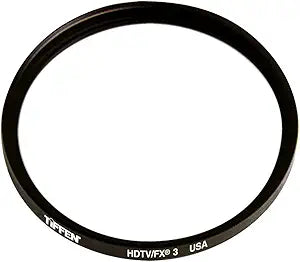
Tiffen W67HDTVFX3 67mm HDTV FX 3 Diffusion Filter
Tame the clinical sharpness of HD video and bring a flattering, film-like quality to portraits and talking-head footage without heavy post-production grading.
View price on Amazon
Affiliate Disclosure: As an Amazon Associate, Studio Supplies earns from qualifying purchases made through links on this page, at no additional cost to you. This helps support our editorial team.
Notice a mistake? Let Us Know
Overview
Key Features
Softening Filter for HD Use
Smoothes Skin Details and Blemishes
Creates the Appearance of Film
Increased Shadow Detail
ColorCore Water White Glass
Specifications
Filter Type
Diffusion Filter
Filter Size
67mm
Designed For
HD Use
Glass Material
ColorCore Water White Glass
Effect
Smoothes Skin Details and Blemishes, Creates the Appearance of Film, Increased Shadow Detail
Frequently Asked Questions
Is this filter appropriate for still photography, or is it designed specifically for video?
The HDTV FX line is engineered for high-definition video workflows — the effect is calibrated to counteract the heightened sharpness and contrast of HD sensors specifically. Still photographers can use it for a soft, reduced-contrast look, but Tiffen's Black Diffusion/FX or Pro-Mist lines are purpose-built for photographic applications and typically offer more predictable results for stills.
How visible is the FX 3 effect — is this a subtle look or a heavy stylistic choice?
FX 3 sits at the stronger end of the HDTV FX range. It produces a noticeable reduction in apparent contrast and visible smoothing of fine skin detail — it's not subtle on close-up subjects in good light. For controlled studio video, beauty, or narrative work where a deliberate aesthetic is intended, FX 3 reads as a stylistic decision. If you want a more transparent look, the FX 1 or FX 2 strengths are available.
Will this filter work on a mirrorless camera shooting video, or only dedicated video cameras?
The 67mm screw-in format attaches to any lens with a 67mm front thread regardless of camera type. It works equally on mirrorless bodies, DSLRs, and camcorders shooting HD or 4K video — the optical effect is in-glass and camera-agnostic.
Does the HDTV FX 3 affect color temperature or require white balance correction?
Tiffen's ColorCore water white glass is designed for color neutrality, and the HDTV FX 3 should not introduce significant color casting. Most videographers and photographers report no corrective white balance adjustment needed, though as with any glass element in the optical path, testing in your specific shooting conditions before a critical job is always worthwhile.
How does the shadow detail enhancement work in practice?
The filter's contrast reduction lifts shadow regions, pulling detail out of darker areas of the frame that might otherwise block up on HD sensors. In a talking-head or interview setup with practical lights in the background, this means the subject's shadow side retains more gradation rather than going flat — it contributes to the overall film-like tonal range the filter is designed to produce.
Related Products


