

Tiffen
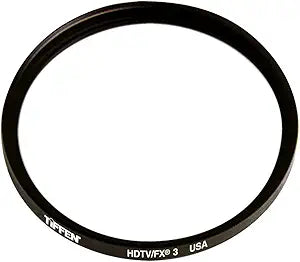
Tiffen W77HDTVFX3 77mm HDTV FX 3 Softening Filter
★★★★★
Achieve a Cinematic Look: Tiffen 77mm HDTV FX 3 Filter Enhance your high-definition footage with the Tiffen 77mm HDTV FX 3 Filter. This softening filter is designed to create a film-like appearance, smooth skin details, and increase shadow detail, making it an essential tool for professional vid...
$105.89*
Check availability
*Price sourced from Amazon.com. Last updated:Jul 14, 2026.Price and availability are subject to change.
Affiliate Disclosure: Studio Supplies may earn a commission from qualifying purchases made through links on this page, at no additional cost to you. This helps support our editorial team.
Notice a mistake? Let Us Know
Overview
Achieve a Cinematic Look: Tiffen 77mm HDTV FX 3 Filter
Enhance your high-definition footage with the Tiffen 77mm HDTV FX 3 Filter. This softening filter is designed to create a film-like appearance, smooth skin details, and increase shadow detail, making it an essential tool for professional videographers and filmmakers.
Specifications:- Brand: Tiffen
- Model: W77HDTVFX3
- Filter Size: 77mm
- Filter Type: Softening
Key Features
Softening Filter for HD Use
Creates the Appearance of Film
Smoothes Skin Details and Blemishes
Increased Shadow Detail
Specifications
Brand
Tiffen
Model
W77HDTVFX3
Filter Size
77mm
Filter Type
Softening Filter
Effect
Softens skin details and blemishes, increases shadow detail, creates appearance of film
Application
HD Use
Pros & Cons
👍 Pros
- FX 3 produces a strong, clearly visible film-like softening character that reduces the clinical sharpness of digital HD sensors — effective for narrative video and interview work seeking a cinematic aesthetic.
- Increases shadow detail rendering by lifting shadow density slightly — useful for high-contrast scenes where blocked shadows are a problem.
- 77mm thread fits a wide range of professional cinema and photo-video lenses, making it broadly compatible with large-diameter optics.
- Smooths skin texture and blemishes in-camera, reducing retouching requirements in post for beauty, interview, and portrait video work.
- No exposure compensation required — adds look without altering the technical exposure chain.
👎 Cons
- FX 3 is the strongest in the line — the effect may be too heavy for subtle or naturalistic cinematographic styles where viewers shouldn't consciously notice the diffusion.
- Softening filters produce their effect by slightly degrading resolution — fine detail that was captured by the lens is irretrievably softened in-camera; there is no way to sharpen it back in post.
- The film-look effect produced by optical diffusion has a specific aesthetic character that is period-associated in some cinematic contexts — not universally appropriate for all video production styles.
- At 77mm, this filter requires lenses of that specific filter thread diameter — confirm before purchasing, as step-up rings can change the vignetting behavior of softening filters.
- No case or storage pouch is specified as included — a filter of this size and optical function warrants protective storage to prevent scratching the surface coating.
Frequently Asked Questions
What does "FX 3" indicate about the strength of this filter's softening effect?
In Tiffen's HDTV FX line, the number indicates diffusion intensity — FX 1 is the most subtle, FX 3 is the strongest of the series. At FX 3 strength, the softening is clearly visible in skin detail and fine texture, producing a more pronounced film-like look. If you want a suggestion of the effect rather than a clear statement, FX 1 or FX 2 would be the appropriate choice.
Will this filter affect overall image sharpness and resolution noticeably?
Yes, intentionally. A softening filter scatters some of the light passing through the glass, which reduces the rendering of fine detail — skin pores, fabric texture, fine hair — while preserving larger structural edges. At FX 3 strength, the effect is visible in motion and in still frames. This is the intended function of the filter, not a defect.
Is this filter primarily for video or can it be used for still photography?
It is described specifically as a softening filter for HD use, optimized for high-definition video production. Still photographers do use diffusion filters, but the HDTV FX line is calibrated for the video context, where the film-like character has a specific aesthetic lineage. Still photographers seeking portrait diffusion may find alternative dedicated portrait softening filters better suited.
Does the softening effect hold up under different lighting conditions — bright daylight vs. interior artificial light?
The visual character of diffusion filters shifts with lighting intensity and direction. In bright conditions, the scattering creates a brighter, more luminous halation effect around highlights. In low-contrast interior light, the effect is more subtle and primarily visible as smoothed skin detail. Test at the actual shooting conditions of your project before committing to FX 3 strength.
Does this filter affect exposure, requiring compensation on the camera?
The softening effect is produced by light diffusion rather than density, so it does not act as a neutral density filter and does not require significant exposure compensation. Minor halation into shadows may slightly affect exposure metering in scene-dependent ways — monitor your histogram when first using it in a new lighting setup.
Related Products


