

Toshiba
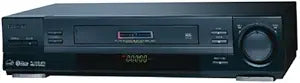
Toshiba W714 4-Head Hi-Fi Stereo VCR
Relive Your Favorite Moments in Hi-FiIntroducing the Toshiba W714 Hi-Fi Stereo VCR. Featuring a state-of-the-art V3 chassis with a flying preamp design, this VCR delivers enhanced audio and video fidelity. Enjoy user-friendly, icon-based on-screen programming and a suite of convenient features fo...
Check availability
Affiliate Disclosure: As an Amazon Associate, Studio Supplies earns from qualifying purchases made through links on this page, at no additional cost to you. This helps support our editorial team.
Notice a mistake? Let Us Know
Overview
Relive Your Favorite Moments in Hi-Fi
Introducing the Toshiba W714 Hi-Fi Stereo VCR. Featuring a state-of-the-art V3 chassis with a flying preamp design, this VCR delivers enhanced audio and video fidelity. Enjoy user-friendly, icon-based on-screen programming and a suite of convenient features for a seamless viewing experience.
- 4-Head Hi-Fi Stereo VCR with Front and Rear AV Inputs
- 19-Micron Video Heads for Enhanced Clarity in EP Mode
- V3 Chassis with Flying Preamp Design
- Icon-Based On-Screen Programming
- Automatic Setup with Channel Memory and Clock Set
Key Features
4-head hi-fi stereo VCR with front and rear AV inputs
19-micron video heads deliver a clearer picture in EP play mode
V3 chassis with unique flying preamp design gives superior audio and video performance
Onscreen programming with icons for quick and easy programming
Auto setup with channel memory , auto clock set
Specifications
VCR Heads
4-head
Audio
Hi-Fi Stereo
AV Inputs
Front and Rear
Video Head Size
19-micron
Chassis Design
V3 with flying preamp
Programming
Onscreen with icons
Setup Features
Auto setup with channel memory, Auto clock set
Frequently Asked Questions
What kind of video heads does the Toshiba W714 VCR use?
The Toshiba W714 VCR is equipped with 4-head hi-fi stereo technology and 19-micron video heads.
Does this VCR have inputs on both the front and back?
Yes, the Toshiba W714 features both front and rear AV inputs for flexible connection of external devices.
How does the V3 chassis design benefit performance?
The V3 chassis with a unique flying preamp design is intended to provide superior audio and video performance.
Is programming recordings easy with this VCR?
Yes, it offers onscreen programming with icons, designed for quick and easy setup of recordings.
Does this VCR require manual setting of the time and channels?
No, it includes auto setup with channel memory and auto clock set features for convenient initial configuration.
Related Products


