

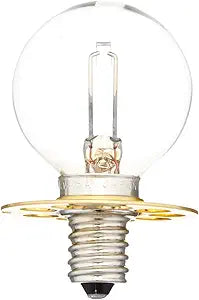
Ushio
Ushio BC8944 SM-900-930 Medical Scientific Bulb
High-Quality Illumination for Specialized ApplicationsThe Ushio BC8944 Incandescent Light Bulb provides reliable and consistent light for healthcare, medical, and scientific applications. Its specific design and performance make it an essential component for specialized equipment. Specifications...
$21.83*$22.59Save 3%
Check availability
*Price sourced from Amazon.com. Last updated:Aug 28, 2026.Price and availability are subject to change — details.
Affiliate Disclosure: As an Amazon Associate, Studio Supplies earns from qualifying purchases made through links on this page, at no additional cost to you. This helps support our editorial team.
Notice a mistake? Let Us Know
Overview
High-Quality Illumination for Specialized Applications
The Ushio BC8944 Incandescent Light Bulb provides reliable and consistent light for healthcare, medical, and scientific applications. Its specific design and performance make it an essential component for specialized equipment.
Specifications:
- Wattage: 27 watt
- Voltage: 6 volt
- Base: P44S
- Type: Incandescent
- Application: Healthcare/Medical/Scientific
Key Features
Color/Finish: Clear
Average Lifetime: 100 Hours
Lumens (Light Output): 360
From The Brand Name: Ushio
Specifications
Color/Finish
Clear
Average Lifetime
100 Hours
Lumens (Light Output)
360
Application
Medical Scientific
Frequently Asked Questions
What is the typical lifespan of the Ushio SM-900-930 medical scientific bulb?
The Ushio SM-900-930 bulb has an average lifetime of 100 hours.
What is the light output in lumens for this bulb?
This medical scientific bulb provides a light output of 360 lumens.
Does this bulb have a specific color or finish?
The Ushio BC8944 SM-900-930 bulb features a Clear color/finish.
Is this bulb suitable for use in standard home lighting fixtures?
This bulb is specified as a "Medical Scientific Bulb" from the brand Ushio, indicating it is designed for specialized applications rather than general home lighting.
What brand manufactures this bulb?
This medical scientific bulb is manufactured by Ushio.
Related Products


