



Westcott
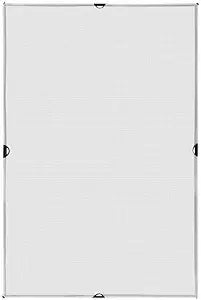
Westcott Diffuser Fabric Scrim Jim Cine 4x6 1/2 Stop
Wrap your subject in buttery-soft light with this 4x6 half-stop diffuser built for the Scrim Jim Cine system.
$109.90*
View on Amazon
✓ In Stock on Amazon.com
*Price sourced from Amazon.com. Last updated:Aug 29, 2026.Price and availability are subject to change — details.
Affiliate Disclosure: As an Amazon Associate, Studio Supplies earns from qualifying purchases made through links on this page, at no additional cost to you. This helps support our editorial team.
Notice a mistake? Let Us Know
Overview
Key Features
SUPERIOR LIGHT DIFFUSION - Crafted with premium grid cloth, this 4x6' diffuser softens harsh light by approximately 1/2 stop, creating a more natural and flattering illumination for professional photography.
ENHANCED IMAGE QUALITY - Achieve beautifully diffused lighting, reducing glare and hotspots, resulting in smoother skin tones and balanced contrast, ideal for portraits and product shots.
VERSATILE COMPATIBILITY - Seamlessly integrates with the Westcott Scrim Jim Cine frame system, ensuring a secure and taut fit for consistent light diffusion across the entire surface area.
OPTIMAL SIZE OPTIONS - The 4x6 foot dimensions provide ample coverage for a variety of shooting scenarios, from small product setups to full-body portraits, offering flexibility in use.
INCREASED DURABILITY - Constructed from high-quality materials, this grid cloth diffuser is designed to withstand frequent use, maintaining its integrity and performance over extended periods.
EASY PORTABILITY - Lightweight and easily foldable, the 4x6' diffuser is convenient to transport and store, making it an essential tool for on-location shoots and studio environments alike.
No further features available.
No further features available.
No further features available.
Specifications
Fabric Type
Grid Cloth Diffusion
Diffuser Density
1/2 Stop
Dimensions
4 × 6 ft / 1.22 × 1.83 m
Weight
0.5 lbs / 0.23 kg
Material
Grid Cloth
Attachment Method
Touch Fastener (Hook-and-Loop) Lining
Compatible Frame System
Westcott Scrim Jim Cine
Frequently Asked Questions
How does a 1/2-stop diffusion fabric change the practical look of my light compared to bare or harder modifiers?
A half-stop reduction is subtle in exposure terms but meaningful in quality — it gently scatters the wavefront of direct light, rounding off the shadow edge transition and taming specular hotspots without collapsing the light's directionality. Skin tones in portraits render smoother, and product shots lose the harsh glare that makes surfaces look cheap. It's the difference between clinical and flattering.
How much light does this fabric actually cut?
It reduces output by approximately 1/2 stop — enough to tame harsh direct sun or a hard tungsten source without sacrificing the overall exposure significantly. You'll still need to adjust accordingly, but the tradeoff is smooth, natural-looking light that flatters skin.
Will this fabric work with my existing Scrim Jim Cine frame?
Yes — it's designed specifically for the Westcott Scrim Jim Cine frame system. The touch-fastener (hook-and-loop) attachment wraps the fabric taut across the frame for an even, wrinkle-free diffusion surface.
Does this fabric work with any large frame system, or is it exclusive to the Westcott Scrim Jim Cine?
This fabric is designed specifically to attach to Westcott Scrim Jim Cine frames via touch fastener (hook-and-loop) lining. It won't tension properly on third-party frame systems with different attachment mechanisms. If you're already in the Scrim Jim Cine ecosystem, the fit is taut and consistent across the full 4×6' surface — no sag, no uneven diffusion.
What shooting scenarios call for 1/2-stop diffusion versus a heavier 1-stop or full diffusion option?
Half-stop diffusion works best when you want to tame a direct strobe or LED panel without significantly reducing your working aperture or ISO — editorial portraits, commercial product work, or any scenario where you need controlled, directional soft light without losing stops. For very large softboxes or extremely diffuse, wraparound light, a heavier fabric gives more character. The half-stop version preserves more of the source's original contrast and direction.
Can I use this outdoors in direct sunlight?
Absolutely. The 4x6 foot size is well-suited for full-body portraits or small group shots in harsh midday sun. Pair it with a second frame or sandbag your stands — outdoor work in any breeze puts real stress on large flags and diffusers.
Does this fabric shift color temperature?
Grid cloth diffusers are generally neutral in color rendition. This fabric won't add a warm or cool cast, so your white balance holds consistent whether you're shooting in natural light or strobe.
At 0.5 lbs, will this fabric stay taut and flat when mounted vertically on a full Scrim Jim Cine frame outdoors?
The fabric is lightweight enough that moderate wind can introduce ripple, which will affect diffusion consistency and create motion in video applications. Outdoors, sandbag the stand and use a secondary stabilizer if shooting in anything above a light breeze. In controlled studio environments, the weight-to-frame ratio keeps the fabric taut without sagging.
Can this diffusion fabric be cleaned if it gets dusty or contaminated from outdoor sessions?
Light dust can be removed with a soft brush or compressed air. The fabric is not described as machine washable — spot cleaning carefully with a damp cloth is the safer approach to avoid changing the diffusion properties or affecting the touch fastener attachment points. Store it rolled or flat to prevent creasing, which can create uneven diffusion patterns.
How durable is the fabric after repeated use?
Westcott builds these for production use. The grid cloth construction handles frequent stretching onto the frame without distorting, and the touch-fastener edges resist fraying through regular deployment and storage cycles.
Related Products


