



Western Digital
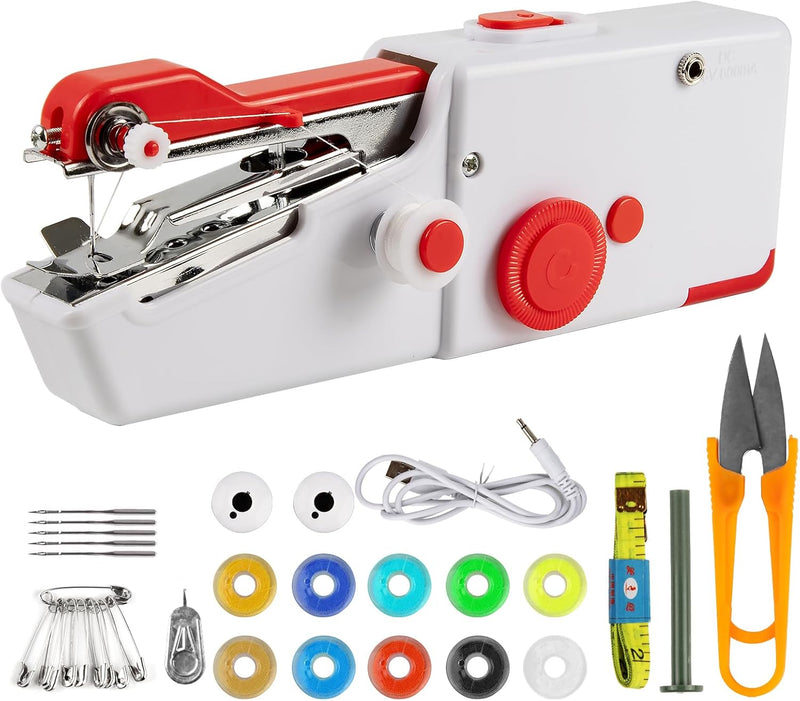
Western Digital YFHJDSDE-1 Mini Handheld Sewing Machine - Portable Stitcher
A pocket-sized stitcher for emergency hem repairs and quick fabric fixes without dragging out a full machine.
$22.99*
Check availability
*Price sourced from Amazon.com. Last updated:Aug 30, 2026.Price and availability are subject to change — details.
Affiliate Disclosure: As an Amazon Associate, Studio Supplies earns from qualifying purchases made through links on this page, at no additional cost to you. This helps support our editorial team.
Notice a mistake? Let Us Know
Overview
Specifications
Power Supply
4 AA batteries or 6V power supply (neither included)
Sewing Type
Single thread
Maximum Fabric Thickness
1.8mm
Compatible Fabrics
Clothing, silk, wool, curtains, and other light textiles
Brand
Western Digital (model YFHJDSDE-1)
Frequently Asked Questions
What kind of repairs is this handheld sewing machine actually good at?
It handles light repairs well — securing loose hems, stitching small tears in thin fabrics like cotton, silk, or curtains, and tacking patches on clothing. It's not built for thick denim, layered seams, or structural garment construction.
Does it require batteries or can it plug into an outlet?
Both options are available. It runs on 4 AA batteries (not included) or a 6V external power supply (also not included). Having both options is convenient for travel, but note that neither power source comes in the box.
How thick of fabric can it handle?
The maximum fabric thickness is 1.8mm. This covers most single-layer clothing and light home textiles. Stacking multiple fabric layers — like hemming lined pants — may exceed this limit and cause skipped stitches or jamming.
Is the stitch produced by this machine durable enough for regular wear?
The single-thread chain stitch it produces is functional for temporary repairs and light-use items, but it's less secure than a traditional lockstitch. For items that will be washed repeatedly or stressed at the seam, reinforcing with hand stitching or a proper machine afterward is worth considering.
Is this suitable for someone who has never used a sewing machine before?
It's simple enough for true beginners — there's no bobbin to thread and minimal setup. Threading the single thread is straightforward. For basic repairs, the learning curve is low, though consistent tension and straight lines take a little practice to get right.
Related Products


