



Yamaha
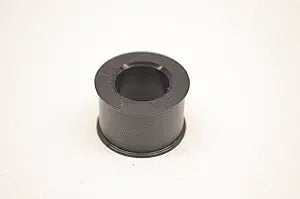
Yamaha 4X4-14714-00-00 Muffler Gasket
Genuine Yamaha OEM muffler gasket — the correct seal for restoring exhaust system integrity on specific Yamaha models.
$12.21*
View on Amazon
✓ In Stock on Amazon.com
*Price sourced from Amazon.com. Last updated:Aug 28, 2026.Price and availability are subject to change — details.
Affiliate Disclosure: As an Amazon Associate, Studio Supplies earns from qualifying purchases made through links on this page, at no additional cost to you. This helps support our editorial team.
Notice a mistake? Let Us Know
Overview
Specifications
Brand
Yamaha
OEM Part Number
4X4-14714-00-00
Part Type
Gasket, Muffler
Compatibility
Specific Yamaha models (verify via OEM part number)
Frequently Asked Questions
Is this a genuine OEM Yamaha part, or an aftermarket replacement?
This is a genuine Yamaha OEM gasket, not an aftermarket substitute. It carries the factory Yamaha part number 4X4-14714-00-00, which means it's manufactured to the exact specifications of the original part — same materials, same dimensions, same sealing properties as what came off the production line.
Which specific Yamaha models does this gasket fit?
This gasket is identified by OEM part number 4X4-14714-00-00. To confirm fitment for your specific model and year, cross-reference this part number against Yamaha's official parts catalog or verify with a Yamaha dealer. Fitment is model-specific — do not install based on visual similarity alone.
Is a muffler gasket replacement something I can do myself, or does it require a shop?
For most mechanically inclined owners, muffler gasket replacement is a straightforward task. It typically requires removing the exhaust fasteners, cleaning the mating surfaces of any old gasket material and carbon buildup, installing the new gasket, and retorquing to Yamaha's specified values. Having a torque wrench to meet factory torque specs is important to avoid over- or under-tightening the joint.
How do I know if my muffler gasket needs replacing?
Common signs include exhaust gas smell near the header junction (not from the pipe outlet), a ticking or popping sound from the exhaust area at idle or under load, or visible carbon tracking around the exhaust joint. A leaking gasket can affect performance and emission readings — replacing it when these signs appear prevents the joint surfaces from becoming damaged by exhaust gas erosion.
Should I replace the exhaust fasteners at the same time as the gasket?
It's generally good practice. Exhaust studs, bolts, and nuts are exposed to significant heat cycling and corrosion. If the fasteners show rust, stretching, or thread damage, replacing them alongside the gasket prevents a fastener failure from requiring you to revisit the job shortly after. Use anti-seize compound on the new fasteners per Yamaha's service guidelines.
Related Products


