



Yamaha
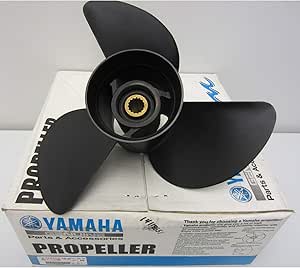
Yamaha 6G5-45941-00-EL Aluminum Boat Propeller 15 1/4 x 15
Genuine Yamaha aluminum propeller in 15-1/4 x 15 pitch — OEM-spec performance that aftermarket replacements can't reliably match for your specific engine configuration.
$177.47*
View on Amazon
✓ In Stock on Amazon.com
*Price sourced from Amazon.com. Last updated:Aug 28, 2026.Price and availability are subject to change — details.
Affiliate Disclosure: As an Amazon Associate, Studio Supplies earns from qualifying purchases made through links on this page, at no additional cost to you. This helps support our editorial team.
Notice a mistake? Let Us Know
Overview
Key Features
SKU: 6G5-45941-00-00-2
Sold Each
Please verify your own fitment
Specifications
Brand
Yamaha
Part Number
6G5-45941-00-EL (superseded by 6G5-45941-00-00)
Material
Aluminum
Diameter
15-1/4 inches
Pitch
15 inches
Quantity
Sold individually
Type
Genuine OEM replacement
Frequently Asked Questions
What does the 15-1/4 x 15 specification mean, and how does it affect my boat's performance?
The two numbers describe diameter and pitch. 15-1/4 inches is the blade tip-to-tip diameter; 15 inches is the theoretical forward travel per revolution in an ideal medium. Higher pitch moves more water per revolution, raising top speed but requiring more engine torque — dropping pitch improves hole shot and acceleration at the cost of top-end speed.
How do I verify this propeller fits my specific Yamaha outboard engine?
Yamaha recommends verifying fitment against your engine's model number and year before ordering. The listing explicitly notes "please verify your own fitment." Cross-reference part number 6G5-45941-00-EL (updated to 6G5-45941-00-00) against your engine's parts diagram or contact a Yamaha marine dealer with your engine serial number.
Why does the listing show two different part numbers (6G5-45941-00-EL and 6G5-45941-00-00)?
Yamaha periodically revises part numbers for OEM components without changing the physical part. The -EL suffix is the earlier designation; 6G5-45941-00-00 is the current superseding number. Both refer to the same propeller — either number will identify this part correctly with a Yamaha dealer.
Is aluminum an appropriate material for my use case, or should I consider stainless steel?
Aluminum propellers are lighter, less expensive, and more forgiving in strike situations — they bend rather than transmitting full impact force to the gearcase. Stainless steel delivers higher performance efficiency and durability under sustained high-RPM use but costs significantly more and transfers strike energy more aggressively. Aluminum is appropriate for most recreational and moderate-use applications.
Is this propeller sold as a single unit or in a pair?
This propeller is sold individually — one propeller per purchase. The listing explicitly states "Sold Each." Order the quantity your application requires.
Related Products


