

Yamaha
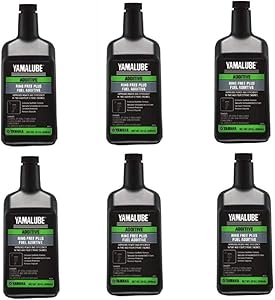
Yamaha ACC-RNGFR-PL-32 Ring Free Plus Fuel Additive
Yamalube Ring Free Plus keeps piston rings free-moving and combustion chambers clean in Yamaha and other 4-stroke engines.
$387.51*
View on Amazon
✓ In Stock on Amazon.com
*Price sourced from Amazon.com. Last updated:Aug 28, 2026.Price and availability are subject to change — details.
Affiliate Disclosure: As an Amazon Associate, Studio Supplies earns from qualifying purchases made through links on this page, at no additional cost to you. This helps support our editorial team.
Notice a mistake? Let Us Know
Overview
Key Features
32 oz
Specifications
Brand
Yamaha
Model
ACC-RNGFR-PL-32
Volume
32 oz
Product Type
Fuel Additive
Primary Function
Piston ring carbon deposit prevention and removal
Frequently Asked Questions
What engines is Ring Free Plus formulated for?
Yamaha markets Ring Free Plus primarily for 4-stroke marine and powersport engines — outboards, PWC, and ATVs — but the chemistry addresses carbon deposit formation common to most gasoline 4-strokes. If your engine brand isn't Yamaha, check your owner's manual for additive compatibility before using.
How does Ring Free Plus work, and what problem does it actually solve?
The additive contains detergent chemistry specifically targeting carbon and varnish buildup on piston rings. When rings become sticky or gummed from heat cycling and fuel residue, they lose their seal against the cylinder wall, causing blowby, oil consumption, and power loss. Ring Free Plus dissolves those deposits before they harden into a long-term problem.
How much do you use per tank, and how often?
Yamaha's standard recommendation is one ounce per gallon of fuel for maintenance dosing. For a heavily carboned engine, a higher initial dose may be appropriate. The 32 oz bottle covers 32 gallons at the standard ratio — roughly one to two fill-ups on a typical outboard application.
Can Ring Free Plus harm fuel system components like O-rings or fuel lines?
Formulated for use in fuel systems, Ring Free Plus is designed to be safe for rubber seals, hoses, and injectors at recommended concentrations. Avoid exceeding the stated dose rate — high concentrations of any detergent additive can stress elastomers over time.
Will this remove existing heavy deposits, or only prevent new ones?
At the maintenance dose, it's primarily preventive and handles light deposits. For engines with significant existing buildup, a higher initial treatment concentration may be needed, and results will take multiple tankfuls to show — this isn't an instant fix for a badly carboned engine.
Related Products


