

Yamaha
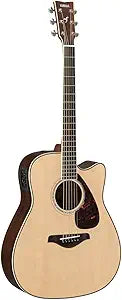
Yamaha FGX830C Acoustic-Electric Cutaway Guitar Natural
A solid Sitka Spruce top and rosewood construction deliver rich acoustic tone with stage-ready electronics built in.
$679.99*
View on Amazon
✓ In Stock on Amazon.com
*Price sourced from Amazon.com. Last updated:Oct 25, 2026.Price and availability are subject to change — details.
Affiliate Disclosure: As an Amazon Associate, Studio Supplies earns from qualifying purchases made through links on this page, at no additional cost to you. This helps support our editorial team.
Notice a mistake? Let Us Know
Overview
Key Features
Solid Sitka Spruce Top
Rosewood Back & Sides
Rosewood Fingerboard & Bridge
Diecast Tuners
System 66 feature an under-saddle piezo pickup with a 3-band EQ, an adjustable mid-range frequency control, and a precision chromatic tuner for optimum sound tailoring.
this guitar has an adjustable truss rod
Specifications
Brand
Yamaha
Model
FGX830C
Body Style
Cutaway Dreadnought
Top
Solid Sitka Spruce
Back & Sides
Rosewood
Fingerboard
Rosewood
Bridge
Rosewood
Tuners
Diecast
Electronics
System 66 (under-saddle piezo, 3-band EQ, adjustable mid-range, chromatic tuner)
Truss Rod
Adjustable
Frequently Asked Questions
What type of wood is used for the top of the Yamaha FGX830C?
The top is made from solid Sitka Spruce, which is valued for its strong projection, wide dynamic range, and responsiveness that improves as the wood ages.
What electronics does the FGX830C include for plugging in?
It features Yamaha's System 66 electronics, which include an under-saddle piezo pickup, a 3-band EQ with adjustable mid-range frequency control, and a built-in precision chromatic tuner.
Does the cutaway design affect the guitar's acoustic sound?
The cutaway allows easier access to higher frets but may slightly reduce internal body volume compared to a non-cutaway dreadnought. In practice, the tonal difference is minimal and the playability gain is significant.
Does this guitar have an adjustable truss rod?
Yes, it includes an adjustable truss rod, allowing you to fine-tune the neck relief to suit your playing style and string gauge preference.
What type of tuners does the FGX830C use?
It uses diecast tuners, which provide smooth, precise tuning stability and are more durable than open-gear alternatives.
Related Products


