



Yamaha
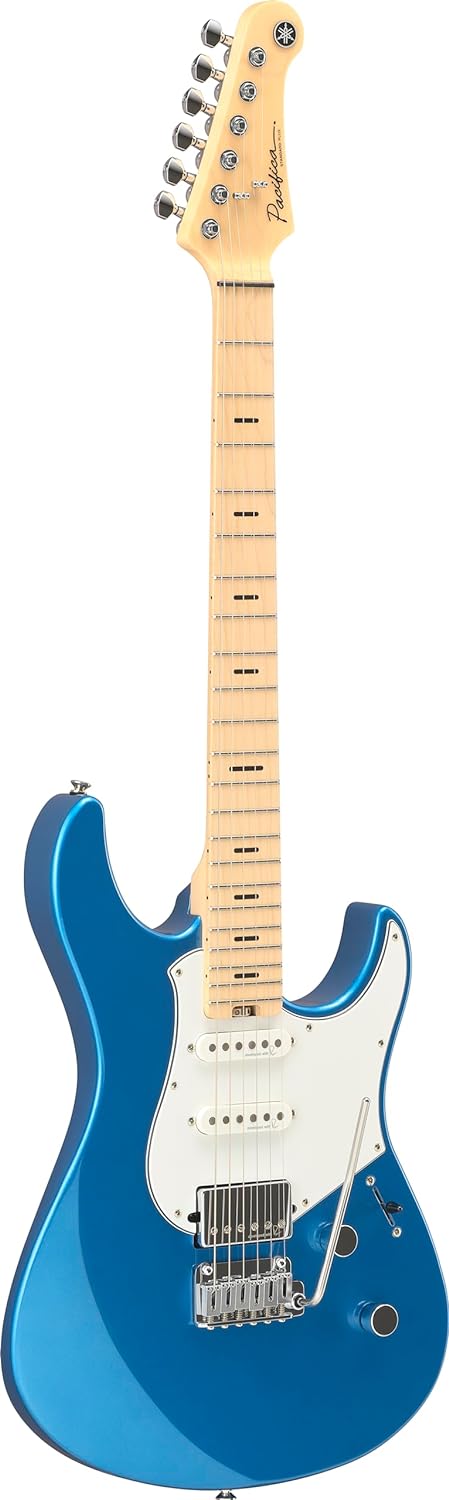
Yamaha Pacifica Standard Plus Electric Guitar Sparkle Blue
★★★★★
Rupert Neve-voiced Reflectone pickups give the Pacifica Standard Plus a tonal range that moves from glassy single-coil clarity to full humbucker weight without switching guitars.
$999.99*
View on Amazon
✓ In Stock on Amazon.com
*Price sourced from Amazon.com. Last updated:Jun 04, 2026.Price and availability are subject to change.
Affiliate Disclosure: Studio Supplies may earn a commission from qualifying purchases made through links on this page, at no additional cost to you. This helps support our editorial team.
Notice a mistake? Let Us Know
Overview
Key Features
Reflectone pickups created in collaboration with Rupert Neve Designs
HSS pickup configuration with 5-way Selector
Controls for Volume and Tone (with push-pull coil split)
Slim C-shape maple neck with satin finish
Maple fingerboard with medium stainless-steel frets
Specifications
Pickups
Reflectone (co-developed with Rupert Neve Designs)
Pickup Configuration
HSS (Humbucker, Single, Single)
Pickup Selector
5-way
Controls
Volume, Tone (push-pull coil split)
Neck Shape
Slim C-shape
Neck Material
Maple with satin finish
Fingerboard
Maple
Frets
Medium stainless steel
Body
Alder
Tuners
Gotoh locking
Finish
Sparkle Blue
Includes
Padded gig bag
Pros & Cons
👍 Pros
- Reflectone pickups voiced with Rupert Neve Designs deliver a harmonically balanced tone in the single-coil positions that avoids the thin, harsh quality common in budget HSS sets.
- The push-pull coil split on the tone knob extends the effective tonal range beyond what the 5-way selector alone provides, covering clean Strat-adjacent tones through to full humbucker output.
- Stainless-steel frets offer significantly longer service life than nickel alternatives and a consistent, smooth playing surface that does not develop grooves under heavy use.
- Gotoh locking tuners reduce post-restring settling time and improve return-to-pitch stability after hard bends or aggressive playing.
- The slim C-shape maple neck with satin finish plays fast across the full length without the sticky drag of a gloss back finish.
👎 Cons
- The maple fingerboard combined with the slim C neck profile may feel too modern and narrow for players accustomed to rosewood boards and chunkier vintage neck shapes.
- HSS configuration means the two outer single-coils are closer in voice to each other than to the humbucker — players seeking strong contrast between neck and bridge tones may find the middle and neck positions sound similar.
- The alder body is a lightweight tonewood choice, which some players find acoustically thinner than heavier alternatives like ash; this is a preference-dependent limitation rather than a defect.
- The padded gig bag included is adequate for transport but does not offer the protection of a hard case — an additional case investment is advisable for regular touring or checked baggage use.
Frequently Asked Questions
What does the Rupert Neve Designs collaboration actually mean for the pickup tone — what will I hear?
The Reflectone pickups were voiced through Neve's acoustic analysis process, targeting harmonic balance and dynamic response rather than simply boosting output. In practice, the single-coils have a clear, articulate top end without the brittle edge that plagues cheaper SSS sets, and the neck humbucker retains note separation at higher gain levels rather than collapsing into a muddy low-mid wash.
How does the push-pull coil split change the available tones?
Pulling the tone knob splits the humbucker to a single coil, which effectively extends the switching range beyond what the 5-way selector provides on its own. In positions that would normally engage the humbucker, the split gives you a leaner, more spanky character that sits closer to the middle and neck single-coil tones — useful for clean passages and funk-inflected playing where the full humbucker sounds too thick.
How does the stainless-steel fret choice affect playing feel versus standard nickel frets?
Stainless-steel frets are significantly harder than nickel, which means they will outlast nickel frets by a wide margin under heavy playing. The playing feel is slightly smoother under bending, and the frets do not develop the grooves that soften the note attack on well-worn nickel fret sets. The tradeoff is that stainless requires more effort to level and crown during a refret if that ever becomes necessary.
Do the Gotoh locking tuners make a practical difference for stability?
Locking tuners reduce the number of string winds around the post to nearly zero, which means there is less string material to stretch and settle after a string change. In practical terms, the guitar reaches stable pitch faster after restringing, and returns to tune more reliably after aggressive whammy or bending use — a meaningful improvement for live performance and session work.
What does the slim C-shape maple neck feel like under long playing sessions compared to a chunkier profile?
The slim C-shape sits close to the palm, which tends to reduce hand fatigue during extended chord work and reduces the leverage required for full-hand stretches. Players transitioning from a thicker vintage-style profile will notice the neck feels faster but may want a brief adjustment period before it feels natural for big-stretch chords.
Related Products


