

Yamaha
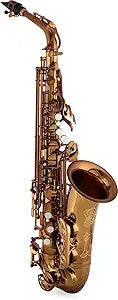
Yamaha YAS-62III Professional Alto Saxophone Lacquer
The YAS-62III delivers the warm, projecting tone of a professional alto built for studio sessions, live stages, and every musical context in between.
View price on Amazon
Affiliate Disclosure: Studio Supplies may earn a commission from qualifying purchases made through links on this page, at no additional cost to you. This helps support our editorial team.
Notice a mistake? Let Us Know
Overview
Key Features
Professional Neck Receiver
Integrated Key Posts
Case - Amber Lacquer
with 62-style Neck
Eb Alto Saxophone
Specifications
Type
Eb Alto Saxophone
Finish
Amber Lacquer
Neck Style
62-style Neck
Key Post Construction
Integrated Key Posts
Neck Receiver
Professional Neck Receiver
Includes
Case
Brand
Yamaha
Model
YAS-62III
Pros & Cons
👍 Pros
- Integrated key posts reduce mechanical noise and improve resonance transfer across the body
- 62-style neck provides improved intonation stability through the altissimo register
- Amber lacquer contributes a warm, focused midrange tone with strong projection in ensemble settings
- Professional-grade key action offers consistent response and minimal play in the mechanism under session pressure
- Versatile tonal character translates well across jazz, classical, and contemporary studio contexts
👎 Cons
- Amber lacquer finish is more susceptible to visible wear and fingertip corrosion over years of heavy professional use compared to silver plate
- The 62-style neck, while excellent for versatility, may require additional adjustment for players accustomed to the darker resonance of a vintage-style or custom neck
- Does not include a high F# key as standard, which some professional players in contemporary settings consider essential
- Case quality, while functional, is considered basic relative to the instrument's professional price point
Frequently Asked Questions
How does the amber lacquer finish affect the tone of the YAS-62III compared to a silver or unlacquered alto?
Amber lacquer adds a slight density to the brass surface that contributes to a warmer, slightly darker tone character compared to unlacquered or silver-plated instruments. Players moving from a student or intermediate horn will notice improved focus in the midrange and a rounder attack transient on the upper stack.
What makes the 62-style neck significant for intonation and response?
The 62-style neck is a hallmark of Yamaha's professional series, engineered with a specific bore taper and neck angle that promotes even intonation across the full range and improves airflow efficiency. Players find that notes in the upper register speak more cleanly and with less pitch flatness than on the standard YAS-280 or 480 necks.
Is the YAS-62III suitable for professional recording sessions?
Yes. The integrated key posts minimize resonance dead spots and mechanical noise — effectively lowering the instrument's acoustic "noise floor" — making it well-suited to close-miking in a recording environment where key clatter and pad noise are audible.
How does the integrated key post construction compare to conventional post mounting?
Integrated posts are machined as part of the body rather than soldered on separately, which increases rigidity and sustains resonance more consistently across the instrument. This translates to improved dynamic headroom — the horn responds with more nuance at pianissimo and more projection at fortissimo without the body flexing under pressure.
What mouthpiece pairings work well with the YAS-62III for jazz versus classical contexts?
The YAS-62III is versatile enough to respond well to a wide range of mouthpieces. For classical or legit playing, a traditional European-style piece with a narrower tip opening complements the horn's natural warmth. For jazz or pop sessions, players often pair it with a medium-open Meyer or Vandoren Java to maximize the instrument's inherent brightness and projection.
Related Products


