

Yamaha
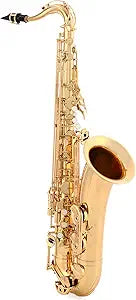
Yamaha YTS-480 Intermediate Tenor Saxophone Gold Lacquer
The Yamaha YTS-480's 62-style neck and professional receiver bring a darker, more centered tone to advancing players ready to move beyond student-level response.
$3,821.99*
View on Amazon
✓ In Stock on Amazon.com
*Price sourced from Amazon.com. Last updated:Oct 26, 2026.Price and availability are subject to change — details.
Affiliate Disclosure: As an Amazon Associate, Studio Supplies earns from qualifying purchases made through links on this page, at no additional cost to you. This helps support our editorial team.
Notice a mistake? Let Us Know
Overview
Key Features
Professional Neck Receiver
Case - Clear Lacquer
Bb Tenor Saxophone
with 62-style Neck
Hand Engraving
Specifications
Model
YTS-480
Type
Bb Tenor Saxophone
Finish
Clear Lacquer (Gold Lacquer)
Neck
62-style Neck
Neck Receiver
Professional Grade
Mouthpiece
Yamaha 4C
Case
Included
Brand
Yamaha
Frequently Asked Questions
What does the 62-style neck on the YTS-480 actually change about how the horn plays and sounds?
The 62-style neck is modeled after Yamaha's professional YTS-62 series and is designed to improve airflow characteristics through the neck taper. Players typically notice a broader, more resonant low register and a more flexible upper register response compared to standard intermediate necks — the result is a tone that projects with more body at mid-dynamics.
Is the professional neck receiver on the YTS-480 compatible with aftermarket necks from other manufacturers?
The professional-grade neck receiver provides a tighter, more stable neck-to-body connection than entry-level saxophone receivers. It is generally compatible with standard Bb tenor aftermarket necks, but fit varies by manufacturer — test any third-party neck before committing to extended use to ensure a proper airtight seal.
What mouthpiece does the YTS-480 ship with, and is it suitable for serious practice?
The YTS-480 includes Yamaha's 4C mouthpiece, a medium-chamber piece with a medium-tip opening. It is a functional starting point for classical and general repertoire but most intermediate and advancing players will eventually explore aftermarket mouthpieces to match their preferred tonal character and genre — jazz players especially tend to move to more open-tip options.
How does the gold lacquer finish on the YTS-480 affect tone or durability?
Clear lacquer on the YTS-480 provides a thin protective coating over the brass body, primarily serving a durability and cosmetic function. Any tonal contribution from lacquer versus bare brass or silver plate is subtle and debated — at this level, the neck design and body geometry have far more measurable influence on tone than the surface finish.
Who is the YTS-480 best suited for, and where does it sit in Yamaha's saxophone lineup?
The YTS-480 sits between Yamaha's student-level YTS-280 and the professional YTS-62. It is designed for intermediate to advancing players who have outgrown entry-level response and need a horn that will support serious practice, ensemble work, and early performance — without the investment of a full professional instrument.
Related Products


