

Behringer
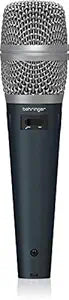
Behringer SB 78A Cardioid Condenser Microphone
Condenser
A cardioid condenser with a presence-rise voicing and high signal output that cuts through a mix without EQ — purpose-built for voice and acoustic instruments.
$41.90*$45.16Save 7%
Check availability
*Price sourced from Amazon.com. Last updated:Oct 21, 2026.Price and availability are subject to change — details.
Affiliate Disclosure: As an Amazon Associate, Studio Supplies earns from qualifying purchases made through links on this page, at no additional cost to you. This helps support our editorial team.
Notice a mistake? Let Us Know
Overview
Key Features
Condenser cardioid microphone
Smooth mid-frequency presence rises for excellent voice, and acoustic guitars
Ultra-wide frequency response for brilliant and transparent sound
Emily high signal output lets your performance cut through
Cardioid characteristic minimizes background noise and feedback
Specifications
Microphone Type
Condenser
Polar Pattern
Cardioid
Frequency Response
Ultra-wide
Sound Characteristics
Smooth mid-frequency presence, brilliant and transparent sound
Output Signal
Emily high
Frequently Asked Questions
Does the Behringer SB 78A require phantom power, and at what voltage does it operate optimally?
Yes, as a condenser microphone the SB 78A requires phantom power — standard 48V phantom power supplied by virtually all audio interfaces, mixers, and preamps. Confirm your interface provides 48V phantom power before connecting; operating a condenser below its rated phantom voltage can cause reduced output and altered frequency response.
How does the cardioid polar pattern on the SB 78A behave at close range for vocals, and should I expect proximity effect?
Cardioid condenser microphones exhibit proximity effect — a bass frequency buildup as the source moves within 6-12 inches of the capsule. For close-miked vocals, this can add warmth and body to the low-mid frequencies, but at very close range (under 4 inches) bass buildup may require a low-cut filter on your interface or DAW. Position vocalists at 6-10 inches for the balanced response the SB 78A is voiced for.
Will the SB 78A's cardioid pattern adequately reject room noise in an untreated room?
Cardioid pattern rejection occurs at the rear null (180°) and tapers off toward the sides. In an untreated room with parallel walls and early reflections, a cardioid mic captures more room character than a supercardioid or hypercardioid. The SB 78A's rejection is best at the rear — position it with the rear null facing the dominant reflection source for maximum isolation.
What does the smooth mid-frequency presence rise actually do to acoustic guitar recordings?
A presence rise in the 2-8kHz range adds clarity and articulation to the pick attack and string definition on acoustic guitar — the frequencies that make the instrument cut through a mix without needing to boost EQ post-recording. For solo acoustic work or sparse arrangements, this voiced boost is a production advantage. In dense mix contexts, a neutral microphone may give more post-production flexibility.
Is the SB 78A suitable for podcast or voiceover use, or is it optimized more for instrument recording?
The cardioid pattern and vocal-focused presence rise make it suitable for both applications. For podcast use, be aware that condenser microphones are more sensitive than dynamic microphones — they pick up computer fans, HVAC noise, and room reflections more readily. Use in a treated space or with acoustic treatment panels behind the speaker for the cleanest voiceover results.
Related Products


